If you are looking for a Portland-area community where parks, trails, errands, and commuting can fit together without feeling rushed, Cedar Mill deserves a closer look. For many buyers, daily life matters just as much as the house itself, and this area stands out for how easily outdoor space and practical convenience can work into your routine. Below, you will get a clear picture of what everyday living in Cedar Mill can actually look like, from trail access and recreation to housing patterns and local convenience. Let’s dive in.
Cedar Mill at a glance
Cedar Mill is an unincorporated community in Washington County, just north of Beaverton and west of Portland city limits. The 2020 Census counted 17,259 residents in 3.33 square miles, which helps explain why the area can feel established and close-in rather than spread out.
It is also a predominantly residential community. Washington County describes the broader Cedar Hills-Cedar Mill planning area as one of the more developed urban communities in unincorporated Washington County, with housing as the dominant land use.
For buyers thinking about long-term fit, the housing profile adds helpful context. ACS estimates show a 77.1% owner-occupied housing rate, a median owner value of $878,300, median household income of $164,079, and a mean commute time of 24.6 minutes.
Parks shape daily life here
One of Cedar Mill’s strongest lifestyle features is its park access. Washington County notes that most of the Cedar Hills-Cedar Mill area lies within THPRD, which owns and maintains 23 park and recreation sites in the planning area.
That kind of park density matters because it supports more than weekend recreation. It gives you more options for a quick walk, time outdoors, casual play, or a short reset between work and errands.
Cedar Mill Park and nearby connections
Cedar Mill Park is a five-acre park just off NW Cornell Road near NW 102nd Avenue. The trail through the park has long served as a walking route for students and now improves access to Jackie Husen Park and Jordan Woods Natural Area.
That connection is a big part of what makes this area appealing. Instead of one isolated green space, you get a linked experience that can make short neighborhood outings feel easier and more useful.
Jackie Husen Park for everyday use
Jackie Husen Park is located at 10955 NW Reeves St. It includes a paved loop trail, playground, picnic shelter, community garden, and dog park.
Because it sits immediately beside Jordan Woods Natural Area, it works well for different kinds of routines. You might start with a paved walk, stop at the playground or garden, and then continue into a more natural setting without needing to drive elsewhere.
Jordan Woods Natural Area for a quieter walk
Jordan Woods Natural Area is an 18.53-acre site in Cedar Mill with access from Jackie Husen Park, the north end of NW 107th Avenue, or NW Lost Park Drive. Its trail system includes a paved quarter-mile trail, a soft-surface trail to a boardwalk, and a bridge over Cedar Mill Creek.
There is also a nature art installation, which adds another layer of local character. If you enjoy having a nearby place that feels more tucked away than a standard neighborhood park, this is one of Cedar Mill’s standout outdoor assets.
Lost Park adds another local option
Lost Park, at 2120 NW 111th Ave., offers tennis courts, grassy lawns, picnic tables, and paved walking paths. It is a smaller recreation stop, but that is part of its appeal.
In daily life, smaller neighborhood parks can be just as valuable as larger destinations. They make it easier to fit in a quick outing without turning it into a major event.
Cedar Mill Creek Greenway is a key trail feature
If one park and trail asset best captures Cedar Mill’s outdoor appeal, it is Cedar Mill Creek Greenway. THPRD describes it as an ADA-accessible multi-use trail that wraps around the western and southern perimeter of the Timberland residential development and extends more than one mile from NW Cornell Road to NW Barnes Road and NW Stark Street.
The greenway includes an accessible overlook, a picnic gazebo, the Sue Conger Boardwalk, and views of the area’s only waterfall. For buyers who want nearby walking and outdoor access without giving up a convenient suburban location, this is a meaningful advantage.
It also helps connect the idea of recreation with the reality of daily routine. A trail like this can support a morning walk, an evening reset, or a weekend outing without requiring much planning.
A bit of local history adds identity
Cedar Mill’s trail network also carries some historic context. THPRD says the John Quincy Adams Young House was built in Cedar Mill in 1869 and served as the community’s first post office and general store.
Details like that do not change a home search on their own, but they do add a sense of place. In a market where many communities can feel interchangeable at first glance, local identity matters.
Everyday convenience is part of the appeal
Parks and trails are important, but most buyers also want to know how easy everyday life feels. In Cedar Mill, convenience tends to come from a mix of nearby services, community facilities, and clustered retail pockets.
The result is a routine that can feel efficient. You may be able to combine a grocery run, a library stop, and time outdoors into the same part of your day.
Cedar Mill Library as a community hub
Cedar Mill Library is located at NW Saltzman and Dogwood, just north of NW Cornell Road. In addition to lending materials, the site includes book sales, meeting rooms, Second Edition Resale, and technology help.
That makes it more than a place to check out books. It functions as a practical day-to-day resource and a community gathering point, which is the kind of amenity many buyers appreciate more over time.
Recreation options beyond the parks
Nearby in Cedar Hills, the Cedar Hills Recreation Center offers hundreds of classes and programs year-round. THPRD lists fitness classes, preschool, THRIVE after-school programming, an indoor gymnasium, a gymnastics room, and cooking classes among its offerings.
Sunset Swim Center adds another nearby option within the broader westside recreation network. It has a 25-yard indoor pool and offers swim instruction, open swims, family swims, and other aquatic programming.
Together, these facilities expand what everyday living can look like in and around Cedar Mill. Outdoor access is a major draw, but nearby indoor recreation also matters, especially during wetter months.
Transit and commuting are part of the picture
For many Portland-area buyers, commute reality is a major part of neighborhood fit. Cedar Mill benefits from access to TriMet Route 48-Cornell, which runs every 15 minutes or less most of the day, every day, between Hillsboro Transit Center, Tanasbourne, Cedar Mill, and Sunset Transit Center.
Sunset Transit Center sits at Barnes Road and the Highway 26 and 217 cloverleaf. It connects to the MAX Blue and Red lines along with multiple bus routes, which gives Cedar Mill residents another option for reaching other parts of the metro area.
Even if you drive most of the time, transit access still matters. It can offer flexibility for changing work routines, shared household schedules, or occasional car-free trips.
Retail and errands stay close to home
Another practical advantage is Cedar Mill’s concentrated retail base. Timberland Town Center is a 94,000-square-foot project with six retail buildings, a 43,000-square-foot anchor grocery store, and a public plaza, all designed around openness and walkability.
That layout supports quick errands and helps create one of the area’s more convenient daily-use nodes. Instead of driving from one disconnected stop to another, you have a more organized pocket of services in one area.
Grocery and service anchors
Market of Choice Cedar Mill is one of the clearest examples of that convenience. The store is open daily from 7 a.m. to 10 p.m. and includes produce, meat, seafood, bakery items, ready-to-eat meals, sushi, pizza, coffee, wine and beer, and other everyday necessities.
Other businesses in the Timberland Town Center area add to the convenience mix. Current businesses mentioned in the research include Great Notion’s Beaverton/Cedar Mill location, Oregon State Credit Union, Urban Waxx, and Banfield Pet Hospital on NW Cedar Falls Drive.
For a buyer, this does not mean every need is met within a few blocks. It does mean Cedar Mill supports the kind of short local trips that can make daily life feel more manageable.
What housing patterns mean for lifestyle
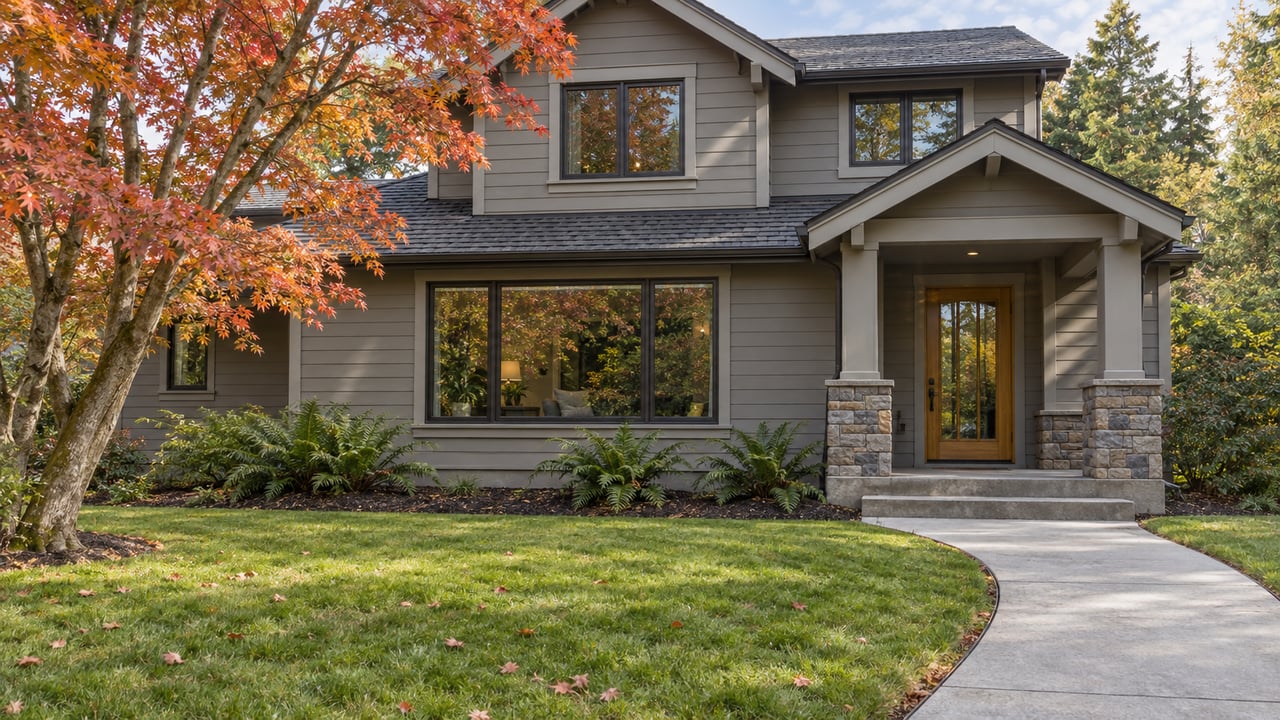
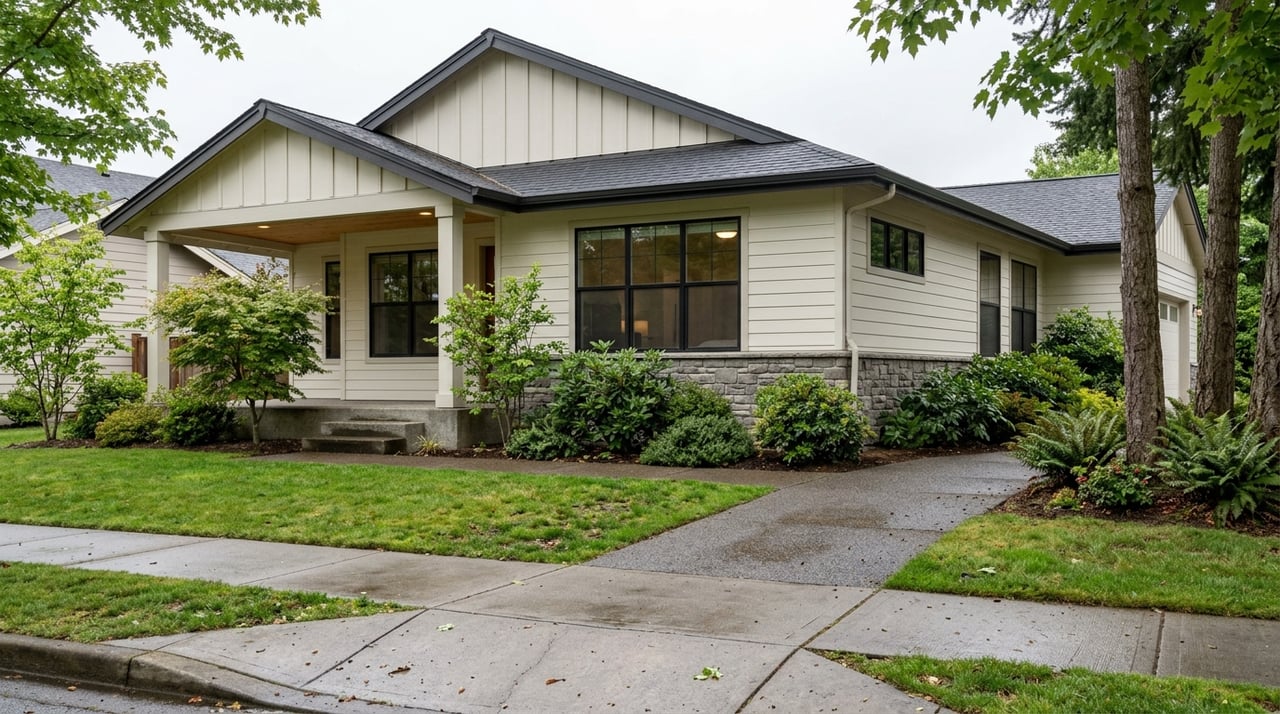
Cedar Mill is best understood as a mostly detached-home community with some denser pockets near retail and transit areas. Washington County describes the broader area as primarily low-density residential, with several higher-density pockets and future medium- and high-density development directed to certain northwest, central, and east areas.
The county plan also notes that high-density residential already exists in apartment and condominium complexes adjacent to retail and service uses west of the Peterkort property. In practical terms, that means the area offers a mix of housing patterns, but detached homes remain a defining part of the broader Cedar Mill identity.
Different pockets, different routines
The contrast between Cedar Mill’s quieter residential streets and its more compact nodes is especially useful for buyers. The Cornell/Barnes, Murray/Cornell, and Timberland pockets place errands, transit, and trail access closer together.
Elsewhere, many lots are already developed with detached homes, especially in lower-density areas and on larger parcels affected by slope or drainage constraints. That can create a more residential feel with a different pace of daily living.
If you are choosing between subareas, it helps to think about your routine first. Do you want the shortest possible trip to trails, groceries, and transit, or do you prefer a quieter setting where those amenities are still nearby but not right outside your door?
Why Cedar Mill stands out
Cedar Mill’s appeal is not about one headline feature. It is about how multiple pieces of daily life fit together, including parks, trails, retail, recreation, and commuter access.
For some buyers, that means a morning walk on a greenway before work. For others, it means having a library, grocery store, and recreation options nearby while still living in a community that is largely residential.
That balance is not always easy to find in the Portland metro area. Cedar Mill offers a version of suburban living that feels established, connected, and practical for everyday routines.
If you are comparing Cedar Mill with other Washington County communities, looking closely at how you want your day to flow can be one of the best ways to decide. And if you want help weighing Cedar Mill against nearby options, Tamiko Warren can help you narrow in on the right fit for your lifestyle and goals.
FAQs
What is Cedar Mill like for everyday living?
- Cedar Mill offers a mostly residential setting with strong access to parks, trails, nearby retail, library services, recreation facilities, and transit connections.
What parks are in the Cedar Mill area?
- Notable nearby options include Cedar Mill Park, Jackie Husen Park, Jordan Woods Natural Area, Lost Park, and Cedar Mill Creek Greenway.
What makes Cedar Mill Creek Greenway important?
- It is a more than one-mile ADA-accessible multi-use trail with features like the Sue Conger Boardwalk, an accessible overlook, picnic areas, and views of the area’s only waterfall.
Is Cedar Mill convenient for errands?
- Yes. Timberland Town Center and nearby businesses provide a concentrated area for groceries, services, and casual everyday stops.
What transit serves Cedar Mill?
- TriMet Route 48-Cornell serves Cedar Mill with frequent daily service and connects to Sunset Transit Center, which links to MAX lines and additional bus routes.
What types of homes are common in Cedar Mill?
- The area is mostly made up of detached homes, with some apartment, condominium, and attached-housing pockets closer to retail and transit nodes.