Looking for a close-in Portland-area neighborhood that feels established, practical, and easy to live in? Raleigh Hills stands out for exactly that reason. If you want a mostly residential setting with parks, trails, shopping, and useful commute options nearby, this community deserves a closer look. Here’s what it’s like to live in Raleigh Hills, Oregon, and why so many buyers are drawn to its balance of convenience and neighborhood feel.
Raleigh Hills at a Glance
Raleigh Hills is a census-designated place in Washington County, not an incorporated city. In 2020, it had 6,196 residents across 1.52 square miles of land area, which gives it a compact, close-in feel.
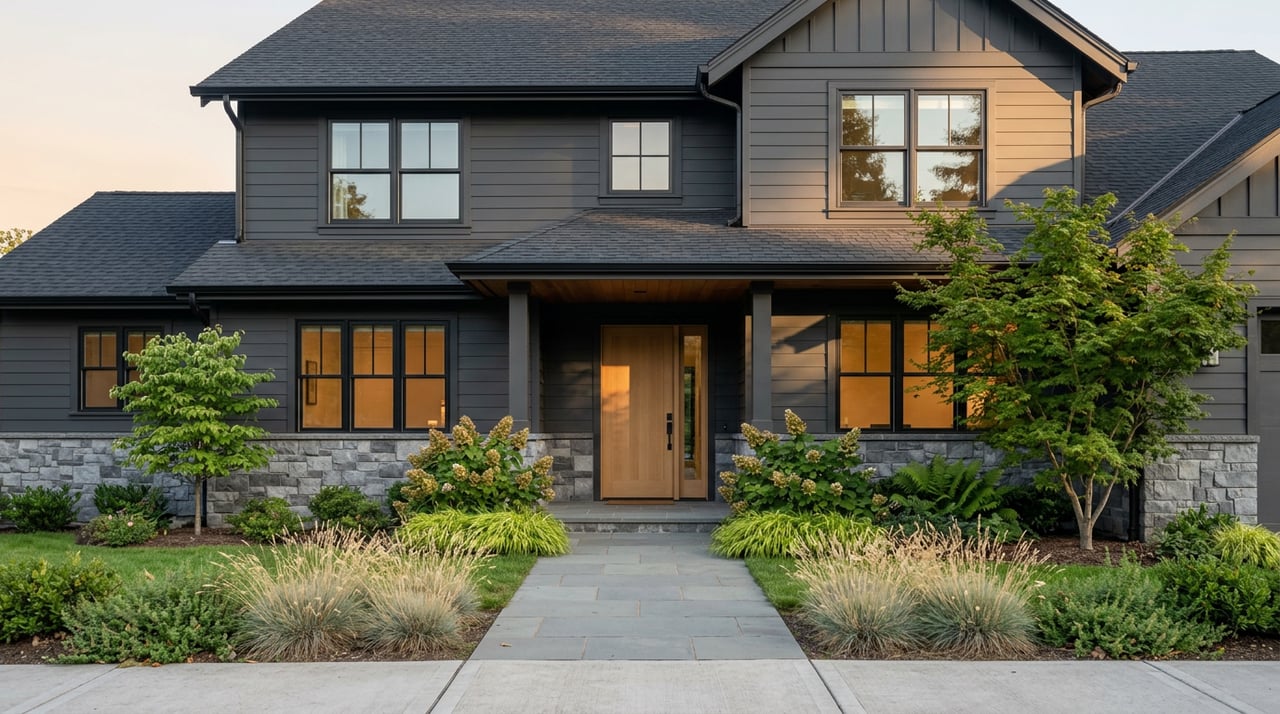
Washington County describes the broader Raleigh Hills-Garden Home area as one of the most substantially developed urban communities in unincorporated Washington County. It is predominantly residential and connected to Portland, Beaverton, and other nearby activity centers, which helps explain why the area feels both settled and well-positioned.
The Neighborhood Feel in Raleigh Hills
Raleigh Hills feels like an established community rather than a brand-new growth area. The housing and planning data point to a neighborhood where stability matters, with 87.2% of residents living in the same house one year earlier.
The area is shaped by a planning approach that aims to protect existing residential neighborhoods and keep much of the community low density. At the same time, Washington County allows for a variety of housing options and some redevelopment along major roads, which creates a mix of traditional neighborhood character and gradual change.
You also get a broad age mix here. Census data shows 14.9% of residents are under 18 and 23.7% are age 65 and older, which supports the sense that Raleigh Hills appeals to people in different life stages.
Housing in Raleigh Hills
If you are considering a move here, it helps to know that Raleigh Hills is a higher-value market by regional standards. Census figures show a median owner-occupied home value of $913,700.
The owner-occupied rate is 52.8%, which suggests a mix of owners and renters. Median monthly owner costs with a mortgage are $3,356, while median rent is $1,672, so your budget and long-term goals will likely shape how you approach this neighborhood.
For buyers, Raleigh Hills may be attractive if you want an established residential area close to major employment and retail corridors. For sellers, the area’s stability and location can be important points to highlight when positioning a home for the market.
Daily Life and Errands
One of the biggest advantages of living in Raleigh Hills is how easy everyday errands can be. Washington County’s community plan specifically supports commercial centers that serve community needs and provide accessible shopping and employment opportunities.
A major retail anchor nearby is Washington Square, which describes itself as Oregon’s premier shopping destination. The center includes more than 170 stores and a range of dining options, including Din Tai Fung, The Cheesecake Factory, Gen Korean BBQ, 85C Bakery Café, Nordstrom Marketplace Cafe, and Thirsty Lion Gastropub & Grill.
That means you do not need a traditional downtown core to have access to shopping, dining, and services. In Raleigh Hills, daily convenience tends to come through nearby commercial corridors and established retail centers.
Parks and Recreation in Raleigh Hills
If you enjoy having outdoor options close to home, Raleigh Hills offers more than you might expect for a compact community. The area has strong access to parks, recreation facilities, and one of the region’s well-used trail systems.
Fanno Creek Trail Access
Fanno Creek Trail is one of Tualatin Hills Park & Recreation District’s most-used trail systems. Within THPRD boundaries, it includes 4.5 miles of ADA-accessible trail through the Garden Home-Whitford and Raleigh Hills communities.
For many residents, that trail access adds real day-to-day value. It gives you space for walks, bike rides, and fresh air without needing to travel far from home.
Garden Home Recreation Center
The Garden Home Recreation Center adds another layer of convenience. It offers youth sports, arts and crafts, adult fitness, dance, gymnastics, a weight and cardio room, an indoor gymnasium, and the Garden Home Community Library.
It also has an access point to the Fanno Creek Trail. That combination makes it easier to build recreation into your routine instead of treating it like a special trip.
Raleigh Park and Swim Center
Raleigh Swim Center and Park is right in Raleigh Hills, between SW Canyon Road and SW Beaverton-Hillsdale Highway. Amenities include a 25-yard outdoor pool, playground, volleyball, horseshoe pit, picnic tables, a paved trail, and a nature art installation.
This kind of neighborhood-level recreation helps Raleigh Hills feel livable in a very practical way. You have options for both active use and casual time outdoors close to home.
Vista Brook Park
Vista Brook Park, just off Scholls Ferry Road, adds even more variety. It features basketball and tennis courts, playgrounds, circuit training equipment, a pond and viewing platform, and paved trails that connect to the Fanno Creek Trail.
For buyers comparing westside neighborhoods, this park and trail access can be a meaningful differentiator. It supports an active lifestyle without requiring a major commute for recreation.
Commuting From Raleigh Hills
Raleigh Hills works well for people who want access to multiple employment and activity centers. The average travel time to work is 20.6 minutes, according to Census data.
Washington County notes that several major thoroughfares cross the area and that one planning goal is to shorten trips by encouraging transit and bike or pedestrian travel. In practical terms, that means Raleigh Hills is built around connectivity rather than isolation.
Bus Service and Transit Connections
TriMet Route 54 connects Beaverton Transit Center, Raleigh Hills, Hillsdale, and Portland City Center. On weekdays, buses run about every 15 minutes or better most of the day between Raleigh Hills and City Center.
TriMet Route 56 also connects Washington Square, Raleigh Hills, Hillsdale, and Marquam Hill, with service to Washington Square Transit Center. Route 55 adds weekday rush-hour service between Raleigh Hills and Portland City Center.
The Washington Square Transit Center is located in the mall parking lot north of JCPenney and connects to routes 45, 56, 62, 76, and 78. That makes the nearby retail area useful not just for shopping, but also for regional transit access.
Who Raleigh Hills May Appeal To
Raleigh Hills can make sense for a wide range of buyers because it offers a blend of residential character and regional convenience. If you want a neighborhood that feels established, has nearby parks and trails, and gives you access to Portland, Beaverton, and Washington Square, it checks a lot of boxes.
It may especially appeal to buyers who value:
- A mostly residential setting
- Established housing and neighborhood stability
- Nearby major shopping and dining
- Trail and recreation access
- Practical bus connections and commute options
It can also be worth a look if you are relocating and want to focus on close-in Washington County neighborhoods with a more mature feel. Compared with areas built around newer master-planned growth, Raleigh Hills offers a different kind of appeal rooted in location and day-to-day convenience.
Things to Keep in Mind Before Moving
Like any neighborhood, Raleigh Hills is not one-size-fits-all. Home values and monthly ownership costs are significant, so it is smart to compare your budget with your priorities early in the process.
You should also think about what kind of neighborhood pattern fits your lifestyle best. Raleigh Hills is largely residential, but shopping, dining, and commuting are organized around nearby corridors and retail centers rather than a single walkable downtown.
That setup works very well for many buyers. The key is knowing whether you want a close-in residential community with strong access to amenities, or a neighborhood with a different layout and rhythm.
Why Raleigh Hills Stays on Buyers’ Radar
Raleigh Hills continues to attract attention because it offers a combination that can be hard to find. You get an established neighborhood, useful recreation, strong access to shopping, and realistic connections to Portland and Beaverton.
For many buyers, that mix creates lasting value. It is not just about where the homes are located, but how the neighborhood supports your routine once the move is complete.
If you are thinking about buying or selling in Raleigh Hills, working with a local team can help you compare housing options, understand how this area fits into the broader Washington County market, and make a confident next move. When you’re ready, connect with Tamiko Warren for a free consultation.
FAQs
What is Raleigh Hills, Oregon?
- Raleigh Hills is a census-designated place in unincorporated Washington County with 6,196 residents and 1.52 square miles of land area, according to 2020 Census data.
What is the neighborhood feel in Raleigh Hills, Oregon?
- Raleigh Hills is a predominantly residential, established community with a mix of ages, a stable feel, and planning policies focused on protecting existing neighborhoods while allowing some housing variety.
What are home costs like in Raleigh Hills, Oregon?
- Census data lists a median owner-occupied home value of $913,700, median monthly owner costs with a mortgage of $3,356, and median rent of $1,672.
What parks and trails are near Raleigh Hills, Oregon?
- Residents have access to Fanno Creek Trail, Garden Home Recreation Center, Raleigh Swim Center and Park, and Vista Brook Park, all of which provide a range of trail, fitness, and outdoor recreation options.
How do you commute from Raleigh Hills, Oregon?
- Raleigh Hills has access to TriMet Routes 54, 55, and 56, with connections to Portland City Center, Beaverton, Hillsdale, Marquam Hill, and Washington Square Transit Center.