If you want a suburb that feels practical on weekdays and relaxing on weekends, Tualatin stands out. You get a city with river access, connected trails, civic gathering spaces, and major shopping hubs, all within a community about 12 miles south of Portland. Whether you are thinking about a move or simply trying to understand what day-to-day life looks like here, this guide will help you picture the rhythm of living in Tualatin. Let’s dive in.
Why Tualatin Feels Easy to Live In
Tualatin blends suburban neighborhoods with a few more walkable pockets that make everyday routines feel simpler. City planning for downtown Tualatin focuses on integrating the river, natural features, civic uses, and commercial spaces within walking distance, with an emphasis on safer bike and pedestrian activity.
That matters because Tualatin does not read like a one-note commuter suburb. It still offers the space and layout many buyers expect in a suburban city, but it also has areas where you can enjoy a trail walk, stop by the library, or spend time near the Commons without making every outing feel like a long car trip.
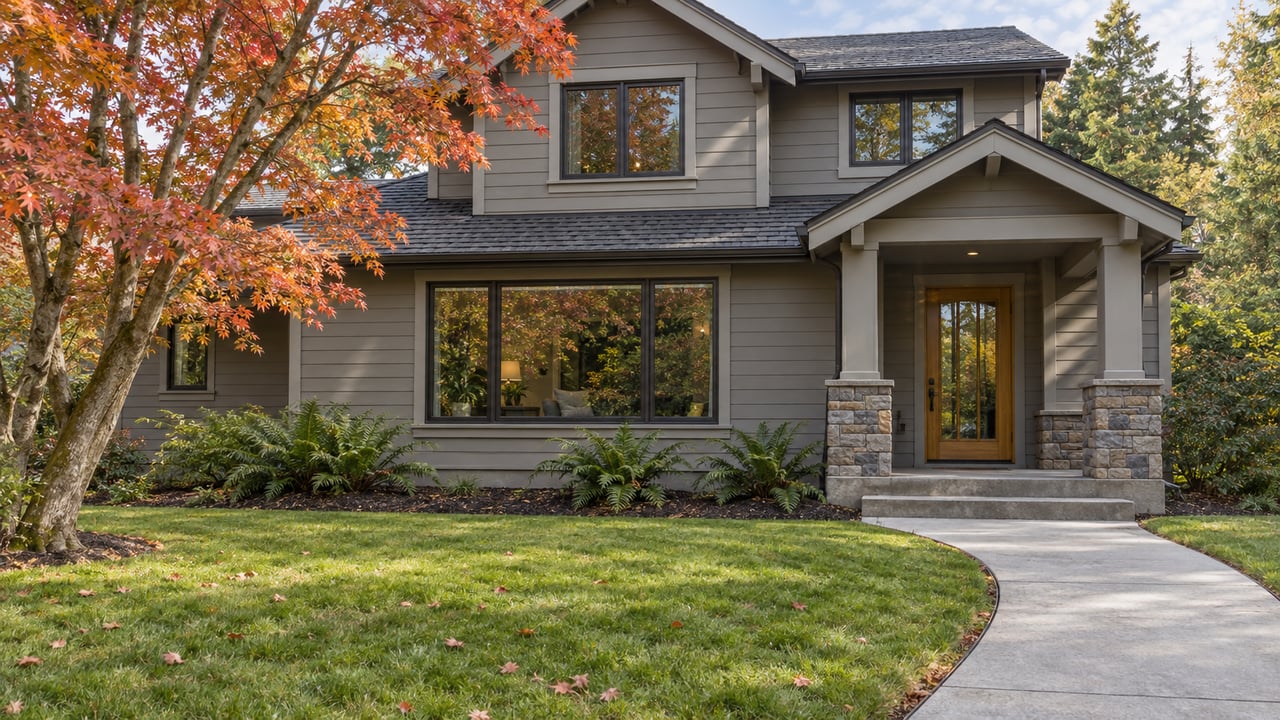
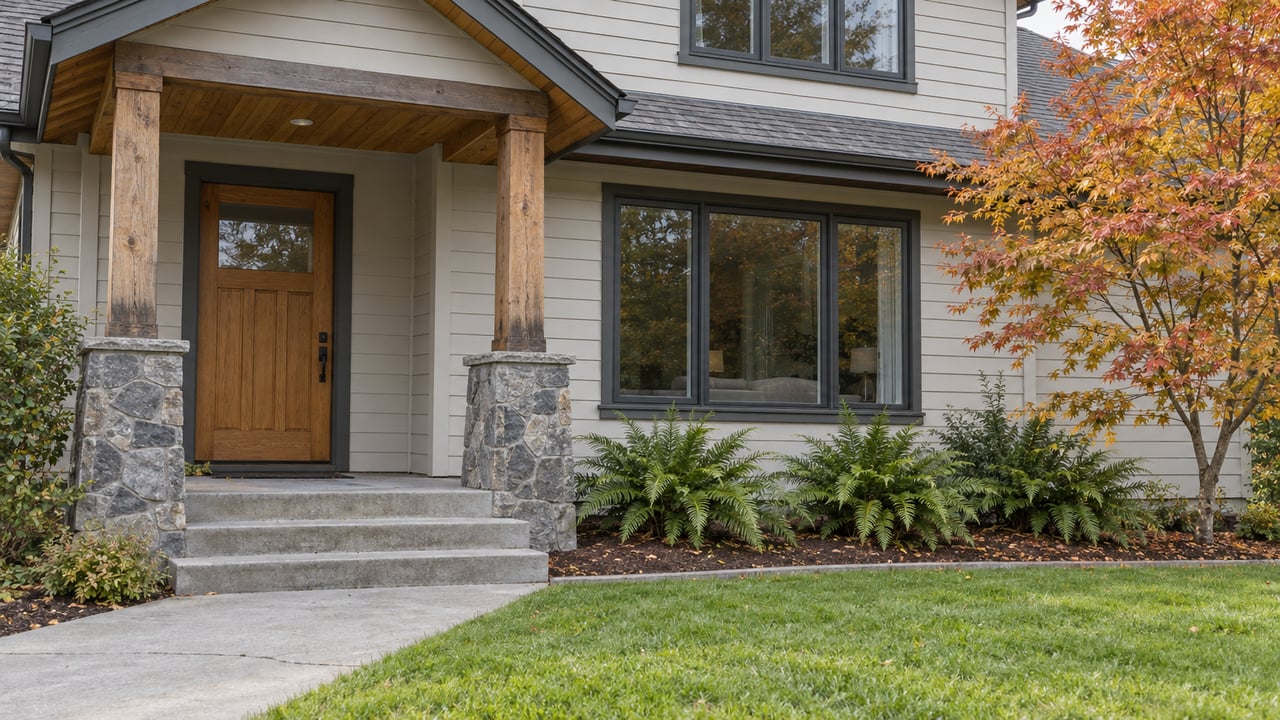
The housing mix supports that feel. City information indicates that nearly two-thirds of Tualatin’s housing stock is single-family detached, while denser residential pockets appear around areas like the Commons and major retail nodes.
River Access Shapes Daily Life
One of Tualatin’s biggest lifestyle advantages is how usable the river feels. The Tualatin River Greenway Trail gives you an accessible path for walking and biking along the river, through trees, and near wetlands.
That kind of access can change your routine in a small but meaningful way. Instead of planning a full outing, you can fit in a short walk after work, a weekend bike ride, or a quiet morning outdoors without leaving town.
The city also supports park-to-park routes that make the trail network feel practical, not just scenic. Examples include:
- Tualatin Community Park to Tualatin River Greenway Trail, about 2.6 miles
- Brown’s Ferry Park to Tualatin Public Library, about 3.5 miles
- Jurgens Park to Lake of the Commons, about 5.1 miles
These routes help show how outdoor space connects with daily errands and community stops. In Tualatin, trails are part of how people move through the city, not just where they go for exercise.
Paddling Is Part of the Lifestyle
Tualatin’s river culture is not limited to walking and biking. The Tualatin River Water Trail covers a 38.5-mile navigable stretch and includes access points at Brown’s Ferry Park, Tualatin Community Park, Jurgens Park, and the Pacific Highway 99W and Hazelbrook Road launch.
If you enjoy kayaking, canoeing, or simply having water access nearby, that adds another layer to everyday living. Brown’s Ferry Park is especially notable for hiking, picnics, kayaking, boating, and wildlife viewing, and kayak and canoe rentals operate there.
Parks Support More Than Recreation
Outdoor access in Tualatin is not concentrated in just one landmark. The city says it has more than 280 acres of parks, trails, and natural areas, which helps explain why green space feels woven into the community.
Tualatin Community Park is one of the best examples of a park that supports everyday use. In addition to a boat ramp, it includes sports fields, courts, a playground, a skate park, and a dog park.
That range of amenities gives different households different ways to use the same space. You might head there for a dog walk, a pickup game, time at the playground, or access to the river, depending on the day.
A Nearby Nature Option
For a broader outdoor experience, the Tualatin River National Wildlife Refuge adds another dimension to the area. The refuge offers year-round and seasonal trail access and supports riparian and wetland habitat, including more than 200 bird species.
For residents who enjoy birdwatching, photography, or a quieter nature outing, it is a valuable nearby resource. It also reinforces the idea that Tualatin offers more natural access than many people expect from a suburban location.
The Commons Creates a Walkable Hub
If the river and parks define Tualatin’s outdoor side, the Commons helps define its civic center. Tualatin Lake at the Commons is a 5.17-acre plaza with a man-made lake, walking paths, benches, and a zero-depth splash pad in summer.
The broader Commons area grew from a 19-acre public and private redevelopment effort and now includes a lake, promenade, plazas, and surrounding hotel, apartment or condo, office, and restaurant uses. That mix gives the area a different feel from a typical suburban commercial center.
The Commons is one of Tualatin’s clearest walkable pockets. Planning materials also note five public parking lots in and near the area, which helps it function as an accessible gathering place even within a car-oriented suburb.
A Place for Routines and Events
This part of Tualatin works well for casual, repeat visits. You can take a short walk around the lake, sit outside for a while, meet friends nearby, or let kids enjoy the splash pad during warmer months.
The city also uses parks and public spaces for concerts and community events. That adds to Tualatin’s low-key, connected feel and helps everyday life here feel active without being overly busy.
The Library Adds Everyday Convenience
A strong lifestyle story is not just about parks and restaurants. The Tualatin Public Library is another anchor for daily life, with 64 open hours per week, a makerspace, children’s and teen rooms, wireless printing, and dozens of mostly free events each week.
For many residents, that kind of amenity matters more than people expect. It gives you a flexible place for reading, studying, printing, family activities, and community programming close to home.
When you combine the library with the Commons, nearby trails, and surrounding civic spaces, Tualatin starts to feel more layered. You are not just choosing a house location. You are choosing how easy it is to build routines around the places you actually use.
Shopping Is Clustered and Convenient
Tualatin does not rely on one traditional main street for errands and dining. Instead, shopping is organized around a few major destination clusters that make everyday convenience a big part of the appeal.
City materials identify Bridgeport Village as a lifestyle center for shopping, dining, and entertainment, while downtown Tualatin centers more on the Commons and civic uses. That gives residents a choice between a mixed-use town-center setting and larger regional retail destinations.
Nyberg Woods and Nyberg Rivers expand those options even more. According to current city transportation planning, Nyberg Woods is a 250,000-square-foot open-air shopping center with big-box retail, smaller retail, restaurants, and office space, while Nyberg Rivers includes about 300,000 square feet of retail, restaurant, fitness, and entertainment space.
What That Means for Daily Errands
In practical terms, Tualatin offers concentrated places to get a lot done in one trip. You can handle shopping, dining, fitness, and entertainment needs without driving all over the region.
Bridgeport Village adds another layer, with its own materials describing it as a 500,000-square-foot community hub where people shop, dine, relax, and attend events. For many buyers, that mix of convenience and variety is part of what makes Tualatin attractive over other suburbs.
What Homebuyers Often Notice
Tualatin’s everyday appeal comes from balance. You have quieter residential areas, strong freeway access near Interstates 5 and 205, and a city layout that includes several amenity-rich pockets rather than one single center.
That balance can work for different kinds of buyers. Some people are drawn to detached-home neighborhoods and access to parks, while others prefer being closer to the Commons or major shopping areas where services and activities cluster.
Census QuickFacts estimates Tualatin’s population at 28,139 in 2025, with 2.54 persons per household and a 55.1% owner-occupied housing rate. The same profile lists a median owner-occupied home value of $628,200 and a median gross rent of $1,806, reflecting a market with both ownership and rental options.
Why Tualatin Stands Out in the Portland Suburbs
Many suburbs offer convenience. Fewer offer convenience plus a riverfront trail identity, paddling access, a civic lake plaza, and strong retail clusters all in one place.
That is where Tualatin feels distinctive. It gives you the breathing room many buyers want, while also offering practical ways to enjoy the outdoors, run errands efficiently, and spend time in public spaces that feel intentionally designed for everyday use.
If you are comparing Portland-area suburbs, Tualatin is worth a closer look for that reason alone. It is not trying to be fully urban, and it does not need to be. Its appeal is that it makes suburban living feel more connected, more active, and a little easier to enjoy.
If you are considering a move to Tualatin or want help comparing neighborhoods across the Portland suburbs, Tamiko Warren can help you evaluate your options with clear local insight and a consultative approach.
FAQs
What is everyday life like in Tualatin, Oregon?
- Everyday life in Tualatin blends suburban neighborhoods with river access, trails, parks, civic spaces like the Commons and library, and major shopping hubs such as Bridgeport Village, Nyberg Woods, and Nyberg Rivers.
Does Tualatin, Oregon have walkable areas?
- Tualatin has some walkable pockets, especially around the Commons, library, and connected park and trail routes, even though the city overall still functions like a suburb.
What outdoor activities are available in Tualatin, Oregon?
- Tualatin offers walking, biking, paddling, picnicking, wildlife viewing, playgrounds, sports fields, dog parks, and access to nearby refuge trails and bird habitat.
Is the Tualatin River part of daily life for residents?
- Yes. The river supports everyday recreation through the Tualatin River Greenway Trail, park-to-park connections, and water-trail access for kayaking and canoeing.
Where do people shop and dine in Tualatin, Oregon?
- Shopping and dining are concentrated around Bridgeport Village, Nyberg Woods, Nyberg Rivers, and the downtown Tualatin area near the Commons.
What types of homes are common in Tualatin, Oregon?
- Tualatin has a housing mix, but city information indicates that nearly two-thirds of the existing housing stock is single-family detached, with denser residential pockets near the Commons and other activity centers.