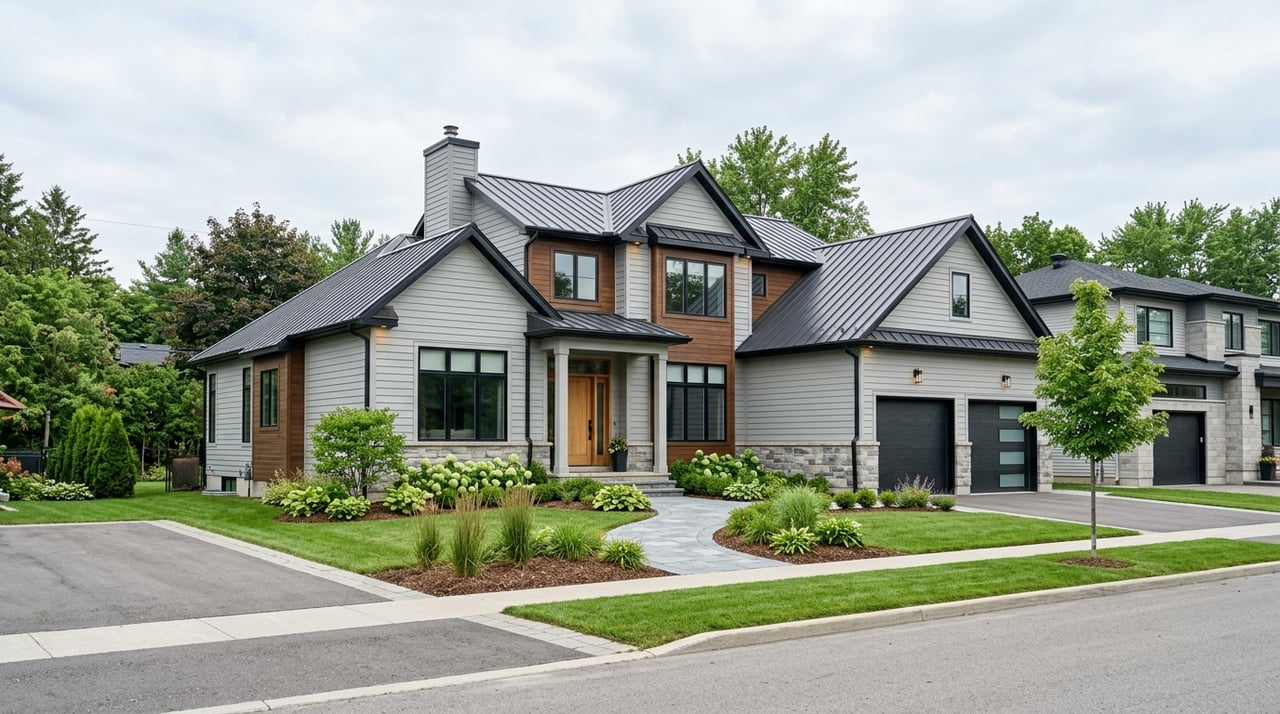
If you work in Beaverton’s westside tech corridor, your home search can get complicated fast. You may want a shorter trip to Nike or Intel, but you may also want a newer floorplan, more space, or better access to parks and trails. The good news is that Beaverton gives you more than one path. If you understand where newer housing is concentrated and how each area fits a tech commute, you can narrow your search with more confidence. Let’s dive in.
Start With Your Commute Style
A smart way to think about newer Beaverton neighborhoods is to split them into two buckets. The first is transit-first pockets near MAX and major station areas. The second is growth-area neighborhoods in South Cooper Mountain, where you may trade some transit convenience for newer construction, parks, and potentially more space.
That distinction matters because “newer Beaverton” is not one single type of neighborhood. Some communities are built around station access and mixed housing. Others are part of a larger growth area with a different day-to-day rhythm.
South Cooper Mountain For Newer Homes
If your top priority is newer housing stock, South Cooper Mountain deserves a close look. The Cooper Mountain area includes more than 1,200 acres along Beaverton’s southwestern city limits, and the city’s infrastructure plan says South Cooper Mountain was added to the urban growth boundary in 2018 and could hold close to 5,000 homes at full buildout.
That makes this area one of the clearest answers for buyers who ask where newer homes are being built in Beaverton. It is also a useful option if you want to compare detached homes and townhomes in a still-evolving area with new public infrastructure, parks, and trails.
What South Cooper Mountain Feels Like
South Cooper Mountain is more of a growth-area story than a transit-hub story. You are looking at communities that appeal to buyers who value newer construction, modern layouts, and access to outdoor space. In many cases, that means accepting a longer drive or a less direct transit routine than you might get near established MAX stations.
For many tech commuters, that trade can still make sense. If you work hybrid, want more home for the money, or care a lot about newer finishes and neighborhood growth, this part of Beaverton may fit your lifestyle well.
The Vineyard At Cooper Mountain
The Vineyard at Cooper Mountain is one of the best-known newer master-planned communities in this area. Builder materials describe a mix of townhomes and single-family homes, with sub-neighborhoods such as The Townes, The Residences, and The Reserve.
Home sizes in the broader master plan range from about 1,592 to 2,797 square feet, and some larger plans in the community reach 3,761 square feet. That range is important because it shows that newer construction here does not serve only one buyer profile.
If you are comparing homes in The Vineyard, pay close attention to floorplan efficiency, garage space, and maintenance expectations. Some buyers will care more about square footage, while others will care more about how the home lives day to day.
Transit-First Options Near MAX
If your commute comes first, station-area neighborhoods may deserve more attention than the far southwest growth area. TriMet says Beaverton Transit Center combines MAX Blue and Red lines, WES, and multiple bus connections. WES runs on weekdays during the morning and afternoon rush hours every 45 minutes.
The MAX Blue Line connects Hillsboro, Beaverton, Portland City Center, East Portland, and Gresham. That matters if you are trying to stay flexible for jobs and meetings across the westside and beyond.
Elevon Near Willow Creek
Elevon is a newer Beaverton transit village that stands out for commuters who want newer housing without giving up rail access. Builder materials describe a mix of townhomes, single-family homes, and for-lease residences, with the project located within walking distance of the Willow Creek station area.
Willow Creek Transit Center has MAX Blue and Red lines, bus connections, Park & Ride, bike lockers, and a coffee shop. For buyers who want to reduce drive time or keep a transit option in the mix, that is a practical advantage.
Elevon also offers variety in housing type. The master plan includes single-family homes at The Centre at Elevon and three-story attached townhomes at The Rows at Elevon. Single-family homes there include fenced backyards, which may matter if you want a little more separation without leaving the transit-oriented setting.
Another point worth noting is convenience. Builder materials say Elevon includes a main-street promenade with more than 16,000 square feet of shops and cafes, which can make daily errands simpler.
Elmonica And Merlo Station Area
The Elmonica and Merlo station community is another area worth watching. Beaverton’s land-use background report describes this station community as having several housing developments since 2002, mostly townhomes and condos, with more growth forecast and policy goals centered on pedestrian, bicycle, and transit travel.
This area may not feel as brand-new as South Cooper Mountain, but it fits buyers who want housing tied more closely to a transit network. If your daily routine depends on a reliable station-area location, this pocket may deserve a place on your tour list.
Nike And Intel Commute Reality
When buyers say they want a “good tech commute,” the details matter. A commute that works well for Nike may not be the same as one that works best for Intel’s Hillsboro campuses.
TriMet says Beaverton Creek is the closest MAX station to Nike World Headquarters, and Merlo/SW 158th Ave is another nearby westside station on the Blue and Red lines. If Nike is your anchor employer, that makes station access a key filter.
Intel is a different scale and pattern. Intel says Oregon is its largest concentration of facilities and talent, with more than 22,000 employees across four campuses in Hillsboro. If you work at Intel, access to the Blue Line and westbound travel across the corridor may shape your search more than proximity to southwest growth areas.
For many buyers, the practical takeaway is simple. If you plan to ride MAX often, compare homes near Willow Creek, Beaverton Transit Center, and westside station areas first. If you drive and want newer construction and open space, South Cooper Mountain may still be a strong fit.
Compare Home Type, Not Just Neighborhood
One of the biggest mistakes buyers make is assuming every newer Beaverton community offers the same lifestyle. The product mix can vary a lot, even within one master-planned area.
Some buyers want a detached home with a fenced yard. Others would rather have a three-story townhome with less exterior upkeep. Some want extra garage capacity, while others care more about a lock-and-leave setup for a busy work schedule.
As you compare options, focus on questions like these:
- How efficient is the floorplan for your daily routine?
- How much garage and storage space do you need?
- Do you want a yard, patio, or low-maintenance exterior?
- Is the home type aligned with how often you commute?
- Would a townhome near transit serve you better than a larger detached home farther out?
Those questions usually tell you more than the neighborhood name alone.
Check HOA Details Carefully
In newer communities, HOA costs and responsibilities can vary sharply by product type. That is especially true when a community includes both detached homes and townhomes.
For example, builder information for The Residences at The Vineyard says anticipated HOA fees are up to $78 per month for single-family homes and $186 per month for townhomes, with actual amounts subject to change. That kind of gap is exactly why you should verify dues and maintenance details for the specific home you are considering.
What To Verify Before You Buy
Ask for clear answers on these points:
- What the HOA maintains
- Whether exterior maintenance is included
- Whether shared spaces are complete or still phased
- How dues differ by home type
- Whether any community features are planned but not yet delivered
This is especially important in still-building areas like South Cooper Mountain, where the neighborhood you see today may not be the final version.
Parks, Trails, And Daily Life
A newer home is only part of the decision. Your day-to-day routine also depends on what is around you once the workday ends.
In South Cooper Mountain, the amenity story is strongly tied to public outdoor space. THPRD announced new parks and trails in the area, including Free Skies Park, Sequoia Plaza, Harmony Park, Chahelim Trail, Oregon Oak Trail, and Sandhill Crane Trail. Cooper Mountain Nature Park also offers a 230-acre natural area with 3.5 miles of trails.
The city’s infrastructure funding plan says the Cooper Mountain plan identifies 21 acres of neighborhood parks and a large community park. For buyers, that means you should compare any private HOA amenities with the public parks and trails already available nearby.
In transit-oriented communities like Elevon, the benefit may look different. You may be weighing walkability to transit and nearby shops against a larger yard or more direct access to open space.
School Boundary Questions Matter
If schools are part of your decision, verify boundaries early. Research materials note that Mountainside High School opened in 2017 as Beaverton School District’s sixth comprehensive high school and serves up to 2,200 students.
That is useful context, but the bigger point for buyers is practical. Exact school boundaries can matter just as much as home size or commute time, especially in a growing area where development is still unfolding.
When you tour newer neighborhoods, ask whether the current boundary is the one that applies to the property you are considering. That extra step can help you avoid surprises later.
How To Narrow Your Search Faster
If you want a simpler way to decide where to focus, start with your real commute pattern instead of a wish list. That means being honest about how often you go in, whether you prefer driving or transit, and how much you value newer construction.
A quick filter can help:
- Choose transit-first areas if MAX access is a top priority and you want flexibility for Nike, Intel, or westside travel.
- Choose South Cooper Mountain if newer homes, parks, and growth-area inventory matter more than station proximity.
- Choose by home type if your biggest decision is townhome versus detached home.
- Verify HOA and phasing if you are buying in a community that is still being built out.
The right answer is usually the one that matches how you actually live, not just how a neighborhood looks on a map.
If you want help comparing newer Beaverton communities by commute, floorplan, and long-term fit, Tamiko Warren can guide you through the options with local insight and new-construction experience.
FAQs
Which newer Beaverton area has the most new housing?
- South Cooper Mountain is the main growth area for newer housing in Beaverton, with the city identifying it as a major expansion area that could hold close to 5,000 homes at full buildout.
Which newer Beaverton neighborhood works best for MAX commuters?
- Elevon stands out for MAX commuters because it is described as within walking distance of the Willow Creek station area, which offers Blue and Red line access plus bus connections and Park & Ride.
Which Beaverton MAX station is closest to Nike headquarters?
- TriMet says Beaverton Creek is the closest MAX station to Nike World Headquarters.
What should you compare in newer Beaverton homes besides location?
- Focus on floorplan efficiency, garage space, yard or outdoor area, maintenance obligations, HOA details, and how the home type fits your commute routine.
Are HOA fees the same in all newer Beaverton communities?
- No. HOA costs can vary by community and by product type, including differences between detached homes and townhomes.
What outdoor amenities should buyers check in South Cooper Mountain?
- Buyers should verify access to parks and trails such as Free Skies Park, Sequoia Plaza, Harmony Park, Chahelim Trail, Oregon Oak Trail, Sandhill Crane Trail, and Cooper Mountain Nature Park, while also confirming which amenities are already complete versus still phased.
Why do school boundaries matter in newer Beaverton neighborhoods?
- In growing areas, school boundaries can matter as much as the floorplan or commute, so buyers should confirm the specific school assignment for the property they are considering.