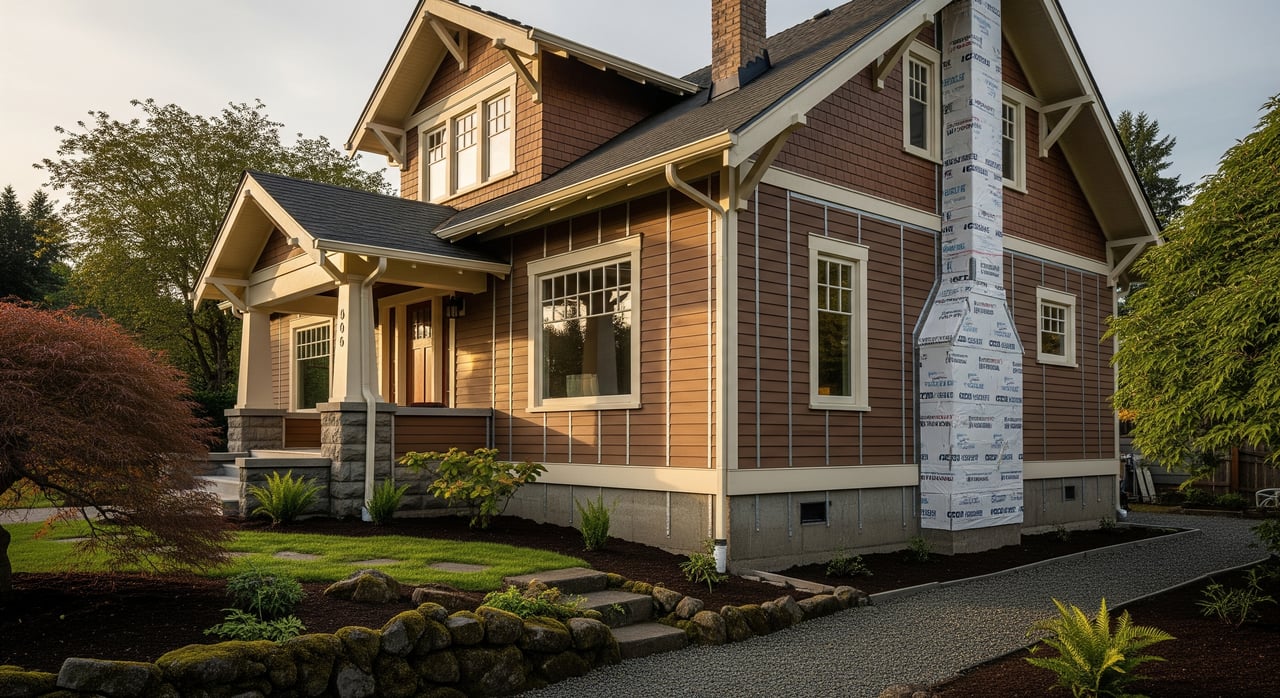
If you own an older home in Milwaukie, you have likely wondered how it would perform in a major earthquake. That concern is reasonable, given our proximity to the Willamette River and the broader Portland fault system. The good news is you can take practical steps that significantly reduce risk without a full rebuild. In this guide, you will learn which upgrades matter most, how permits work in Milwaukie and Clackamas County, what projects typically cost, and who to hire first. Let’s dive in.
Why seismic upgrades matter here
Milwaukie is exposed to two main earthquake threats: very large Cascadia Subduction Zone events and closer, shallow crustal quakes in the Portland area. Both can produce strong shaking that damages older wood-frame houses and unreinforced chimneys. You can read more in the U.S. Geological Survey’s regional science on the Cascadia Subduction Zone.
Local site conditions can also amplify shaking. Areas along the Willamette River corridor may include artificial fills or soft soils, which increase liquefaction or settlement risk. For Milwaukie-specific hazard context, the Oregon Department of Geology and Mineral Industries offers DOGAMI seismic hazard maps.
The takeaway is simple: targeted retrofits can help keep your home on its foundation, prevent heavy elements from collapsing, and improve your chances of staying in your home after a quake.
The most effective upgrades
Bolt and brace basics
Bolt and brace is the backbone of most older-home retrofits. Contractors bolt the wooden sill plate to the concrete foundation and strengthen the short walls between the foundation and the main floor (cripple walls) with plywood shear panels and hardware. This reduces the chance your house will slide or shift off its foundation.
Expect moderate disruption. Crews often work in the crawlspace and along the exterior foundation line, with some excavation. Many projects finish in days to a few weeks. Costs vary by house size and access, but typical projects land in the few-thousand to low five-figure range. Get local bids before you budget.
Chimney bracing or removal
Unreinforced masonry chimneys are among the riskiest features in earthquakes. Bracing the chimney at the roof, adding steel bands, or building an exterior frame helps prevent collapse. In some cases, repair or removal is recommended. Bracing is usually low to moderate disruption, while rebuild or removal is more involved. Permits are common for this work and must meet building and fire standards.
Soft-story strengthening
A soft story is a weak ground floor with large openings, such as a wide garage under living space. Upgrades can include new shear walls, steel moment frames, or added foundation elements. These projects are more complex, usually need engineered plans, and can cost tens of thousands to over one hundred thousand dollars depending on scope. They often require temporary relocation from parts of the home during work.
Nonstructural and utility anchoring
Not every fix is expensive. Strapping water heaters, securing tall furniture and cabinets, bracing shelves, and anchoring HVAC units reduce injury and fire risk and help you stay functional after a quake. Many homeowners can DIY these items or hire a handyman. For general best practices, review FEMA’s guidance on earthquake safety at home.
Permits and code in Milwaukie
Who regulates your project
Inside city limits, the City of Milwaukie Building Division is your first stop for building permits and inspections. If your property is outside city limits, you will work with the Clackamas County Building Division. Statewide, the Oregon Building Codes Division administers structural codes that apply to seismic retrofits.
- City permits: City of Milwaukie Building Division
- County permits: Clackamas County Building Division
- State code information: Oregon Building Codes Division
When you need a permit
Most structural work needs a building permit. That includes foundation anchoring, new shear walls, steel frames, chimney rebuilds or structural repair, and soft-story retrofits. Simple nonstructural measures, such as water heater straps, may not require a permit, but always confirm.
When you need an engineer
You will almost always need a licensed structural engineer for soft-story fixes, new foundations or footings, steel frames, or major changes to load paths. For straightforward bolt-and-brace projects, prescriptive methods may be allowed without an engineer if they follow recognized guidance and the house is simple. Local inspectors can still request engineered plans if conditions are complex.
Inspections and timing
Typical inspections include a foundation or anchor inspection, a framing or shear panel inspection, and a final inspection. Chimney projects may involve additional fire and clearance checks. Plan for lead time. Engineer drawings, permit review, and contractor scheduling can add weeks to months. Calling the building division early helps you assemble the right documents and avoid rework.
A prioritized retrofit checklist
Start with the highest benefit for the least cost, then move to larger projects.
Immediate and low cost
- Strap the water heater and add a flexible gas connector.
- Secure tall furniture, TVs, shelves, and heavy mirrors.
- Check and secure heavy items over beds.
- Have a licensed pro confirm shutoffs and gas line flexibility as needed.
High-priority structural
- Complete sill plate bolting and cripple wall bracing where applicable.
- Brace, repair, or plan removal of unreinforced masonry chimneys.
Larger structural upgrades
- Address soft-story conditions with engineered solutions.
- Strengthen or underpin deteriorated foundations if needed.
- Add shear walls if an engineer identifies lateral capacity gaps.
Final steps
- Re-secure nonstructural items after construction.
- Document all work for insurance and resale. Build an emergency plan and kit.
Who to hire first
Structural engineer
If you have a soft story, foundation concerns, or do not know your home’s condition, start with a structural engineer. They assess the structure, produce stamped plans, and recommend scope.
Retrofit contractor or GC
Choose a general contractor experienced in seismic retrofits, or a specialized retrofit firm, to carry out the engineer’s plans and coordinate permits and subs.
Specialists you may need
- Foundation or concrete subcontractor for anchors, footings, or underpinning.
- Chimney or masonry contractor for bracing, rebuild, or removal.
- Plumber, electrician, and HVAC techs to relocate utilities as needed.
Smart hiring tips
- Ask for recent seismic retrofit examples and references.
- Verify licenses, bonding, and insurance.
- Confirm experience working with Milwaukie or Clackamas County inspectors.
- Get multiple bids and compare scope, not just price.
- For engineers, local professional groups such as the Structural Engineers Association of Oregon are helpful directories.
Cost expectations in plain English
Every house is different, which is why site visits and bids matter. As a rough guide, bolt-and-brace projects often fall in the few-thousand to low five-figure range. Chimney bracing is usually less, while full chimney rebuilds or removals cost more. Soft-story retrofits vary widely and can reach tens of thousands to more than one hundred thousand dollars when steel frames and new foundations are involved. Use these as ballpark ranges only and get local estimates before you budget.
Keep your project local and compliant
Start by confirming jurisdiction and permit needs with the City of Milwaukie or Clackamas County. If you anticipate larger structural changes, contact a structural engineer before you submit. For background reading and hazard awareness, USGS and DOGAMI provide useful maps and reports. A short set of early calls can save time and change orders during construction.
Upgrading an older Milwaukie home does not have to be overwhelming. Begin with nonstructural safety, then tackle bolt-and-brace and chimney risks, and reserve engineered solutions for soft stories or foundation issues. If you want a local, practical plan that also supports your resale goals, let’s talk about timing, budget, and disclosures for your property. Connect with TK Real Estate Group to Schedule a Free Consultation.
FAQs
How do I know if my Milwaukie home needs a retrofit?
- Look for a raised first floor on short cripple walls, an unreinforced masonry chimney, wide garage openings supporting living space, or foundation settlement. A structural engineer can confirm.
What seismic upgrade gives the best value first?
- Bolt-and-brace work often provides the greatest risk reduction per dollar for older wood-frame homes with crawlspaces or short cripple walls.
Will I need to move out during a retrofit?
- Most bolt-and-brace projects allow you to stay in the home, though access around the perimeter may be limited. Soft-story work can be more disruptive and may require temporary relocation.
Do I need a permit for water heater straps?
- Many simple nonstructural measures do not require permits, but always check with the City of Milwaukie or Clackamas County to confirm before you start.
Do seismic upgrades raise home value in Milwaukie?
- Retrofits can improve marketability and reduce long-term risk. Many buyers value documented upgrades, though price premiums vary by market.
Where can I find official hazard information?
- The USGS offers regional earthquake science, and DOGAMI provides Oregon hazard and liquefaction maps. Your building department can also guide permit requirements.