Eyeing a quieter home base without giving up your Portland job? If you want small-city charm, lake trails, and a practical commute, Camas might be a smart move. In this guide, you’ll learn how people get to Portland from Camas, what to expect for travel times, which job centers are within reach, and how lifestyle, housing, and taxes compare. Let’s dive in.
Where Camas fits in the metro
Camas sits on the north side of the Columbia River in Clark County, next to east Vancouver and across from Portland. It feels like a small city, with an estimated population of about 27,300 as of mid‑2024. You can confirm current population and commute context on the U.S. Census QuickFacts page for Camas. The Census also shows a mean travel time to work of about 24.6 minutes citywide, which is helpful as general context, not a downtown‑specific commute.
- Population and commute context: U.S. Census QuickFacts for Camas
Commute options at a glance
Driving: I‑205, SR‑14, and bridge choices
Most Camas drivers heading to Portland use I‑205 via the Glenn Jackson Bridge or connect to I‑5 for downtown after traveling west on SR‑14. Your exact route will depend on your workplace. The driving distance to central Portland is roughly 20 to 25 miles, with many commutes landing in the 20 to 45 minute range depending on destination and time of day. Off‑peak trips can be shorter, while PM peak or incidents add time.
- Driving distance reference: Camas to Portland driving distance
Smart tips:
- Check both I‑205 and I‑5 options; bridge choice can change your time by a lot.
- Leave extra buffer for the PM peak or when the river crossings back up.
- Run live mapping for your exact workplace during your typical leave time.
Transit with C‑TRAN
C‑TRAN is Clark County’s public transit provider and serves Camas with local connectors and regional/express routes into Portland. A common pattern is to take a local bus from Camas or Washougal to a transit center, then transfer to an express service timed for rush hours. This can mean a longer door‑to‑door trip than driving, but with predictable arrivals and far less stress.
- System overview: C‑TRAN
- Local connector example: Route 92 Camas/Washougal
Park‑and‑ride, carpool, and vanpool
Many commuters drive a short hop to a park‑and‑ride or transit center, then take an express bus into Portland. C‑TRAN also supports vanpools that can cut time and cost for teams heading to the same workplace. Schedules and park‑and‑ride locations are published on C‑TRAN’s site.
- Program details and schedules: C‑TRAN
Biking and ferries
Biking all the way to Portland is feasible for strong riders but is not typical for most daily commuters from Camas. There is no regular passenger ferry across the Columbia in the Portland–Vancouver corridor. Inside Camas, biking and walking for local trips and recreation are very popular thanks to trails like the Lacamas Heritage Trail.
Employers you can reach
Local Camas employers
If you prefer to keep your commute close to home, Camas has several notable employers. Fisher Investments operates a large Fisher Creek campus with multiple buildings. TSMC’s WaferTech facility provides semiconductor manufacturing jobs within the city. The historic Camas paper mill remains a local industrial presence and a part of community planning conversations.
- Fisher Creek campus: Fisher Investments
- Semiconductor manufacturing: WaferTech | TSMC Washington
- Mill site context: Downtown Camas mill information
Portland‑area job centers
Downtown and East Portland employers in healthcare, government, finance, and education are regularly reached from Camas by I‑205 or I‑5, or by C‑TRAN express connections. Some services also serve OHSU/Marquam Hill. Travel times vary by route and time of day, so check mapping or the C‑TRAN trip tools for your schedule.
- Regional connections and schedules: C‑TRAN
Westside tech and corporate campuses
Intel in Hillsboro and Nike in Beaverton are reachable for occasional or hybrid commuters. These trips are longer and more variable, and planning around off‑peak windows can help. If your team is hybrid, you can often pick ideal departure times to minimize congestion.
- Intel presence in Oregon: Intel Oregon overview
Lifestyle highlights: downtown, lakes, and trails
A walkable, historic downtown
Camas offers a compact, walkable Main Street with independent shops, cafes, and frequent community events. The city’s mill‑town history is visible downtown and adds a strong sense of place. If you value a true small‑city core, downtown Camas stands out while keeping you within a regional commute.
- Learn more: Downtown Camas mill information
Lacamas Lake, Round Lake, and year‑round recreation
The Lacamas Lake and Round Lake park system delivers over 300 acres of trails, water access, and seasonal wildflower viewing close to home. The Lacamas Heritage Trail is a local favorite for running, biking, and family walks. These are everyday amenities that help balance a cross‑river work routine.
- Trail and park overview: Clark County’s Lacamas Lake Regional Park
Housing snapshot and comparisons
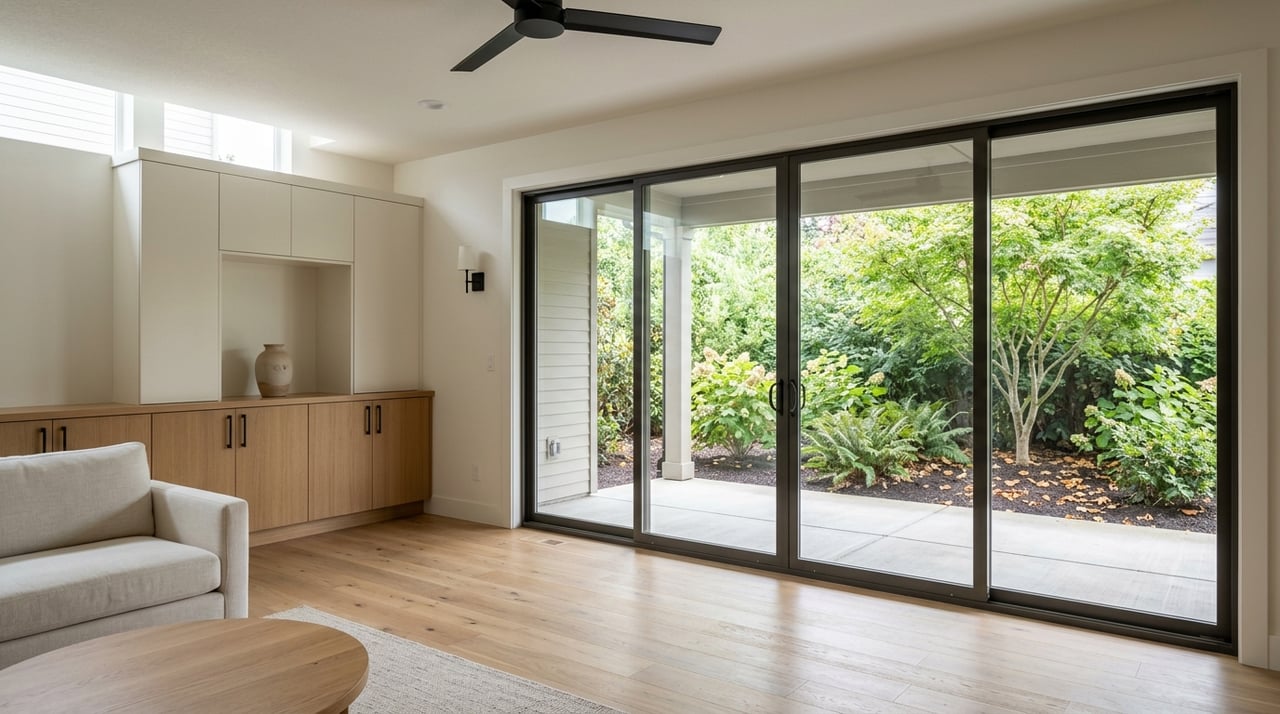
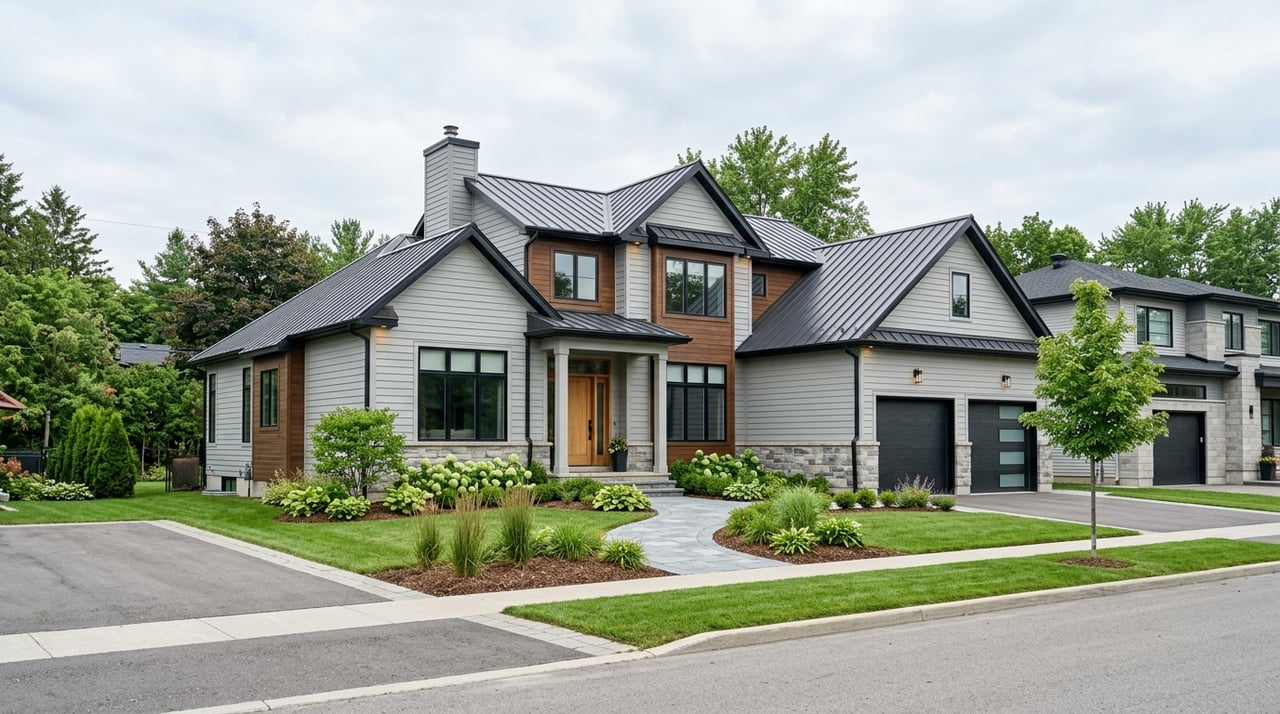
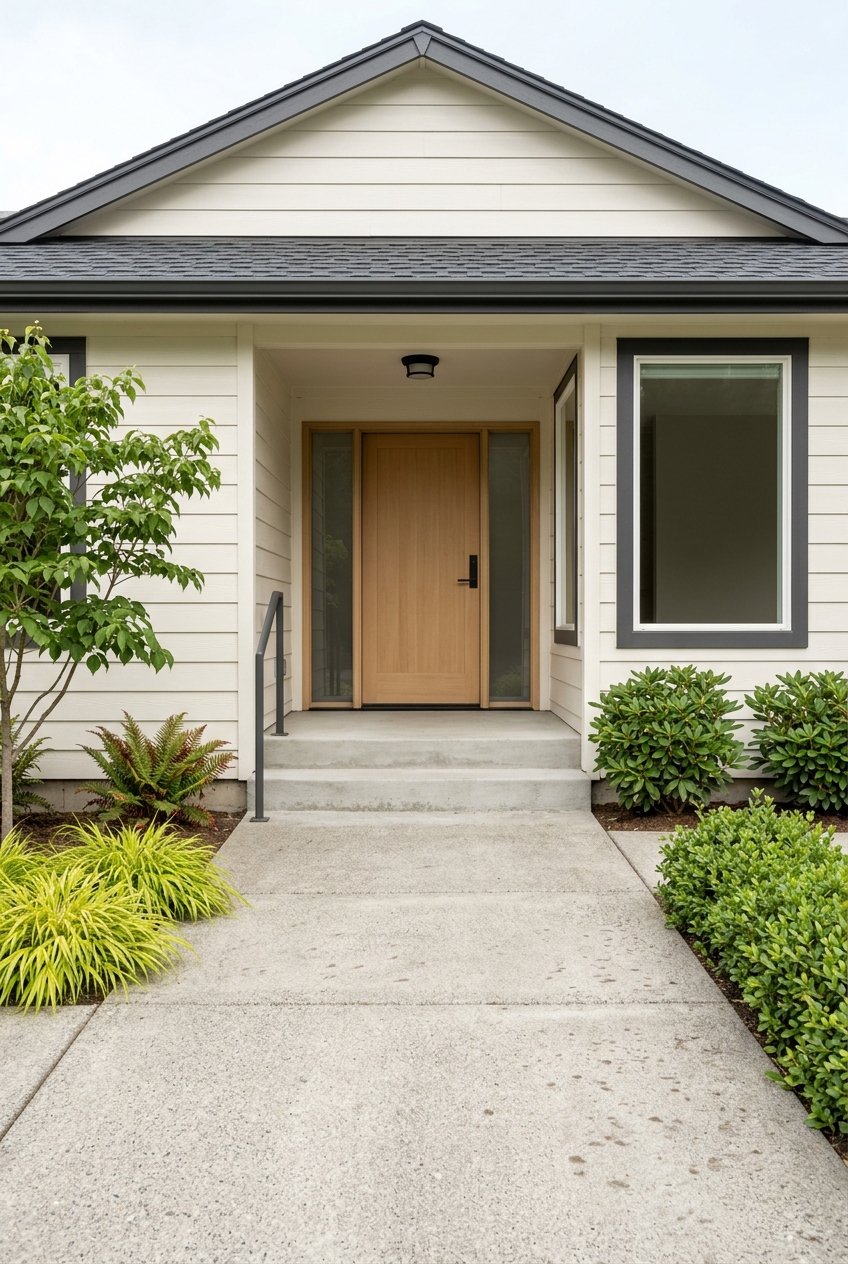
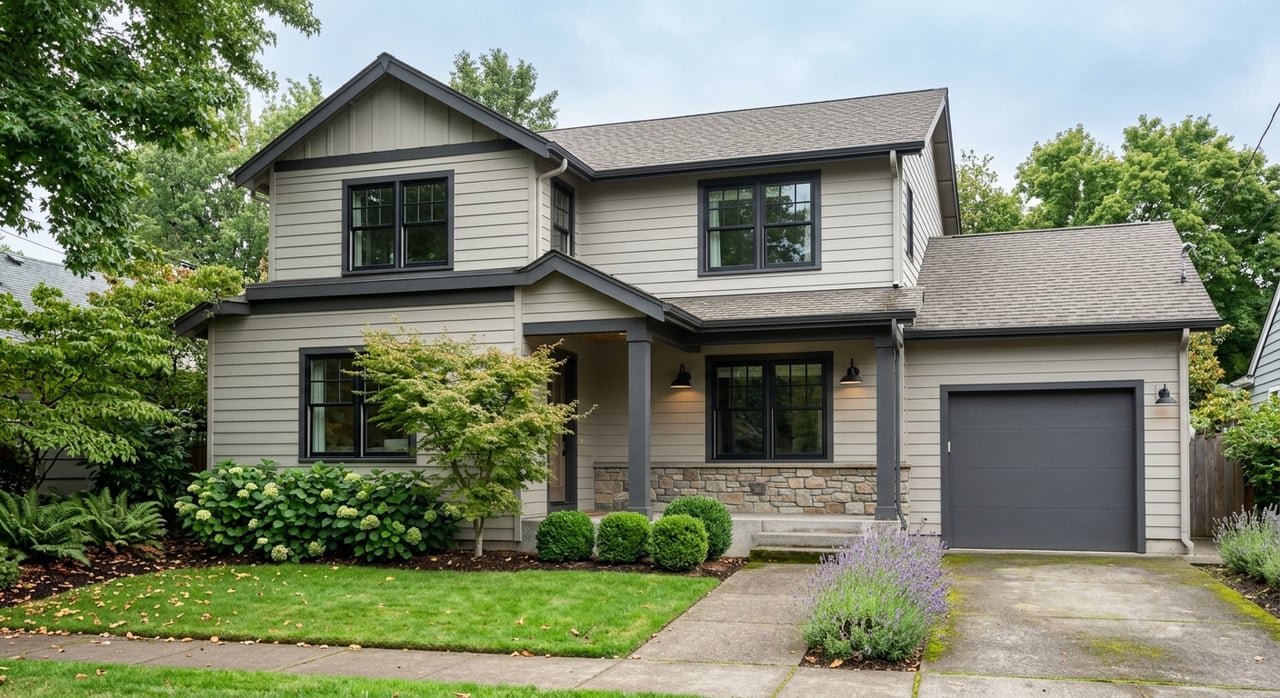
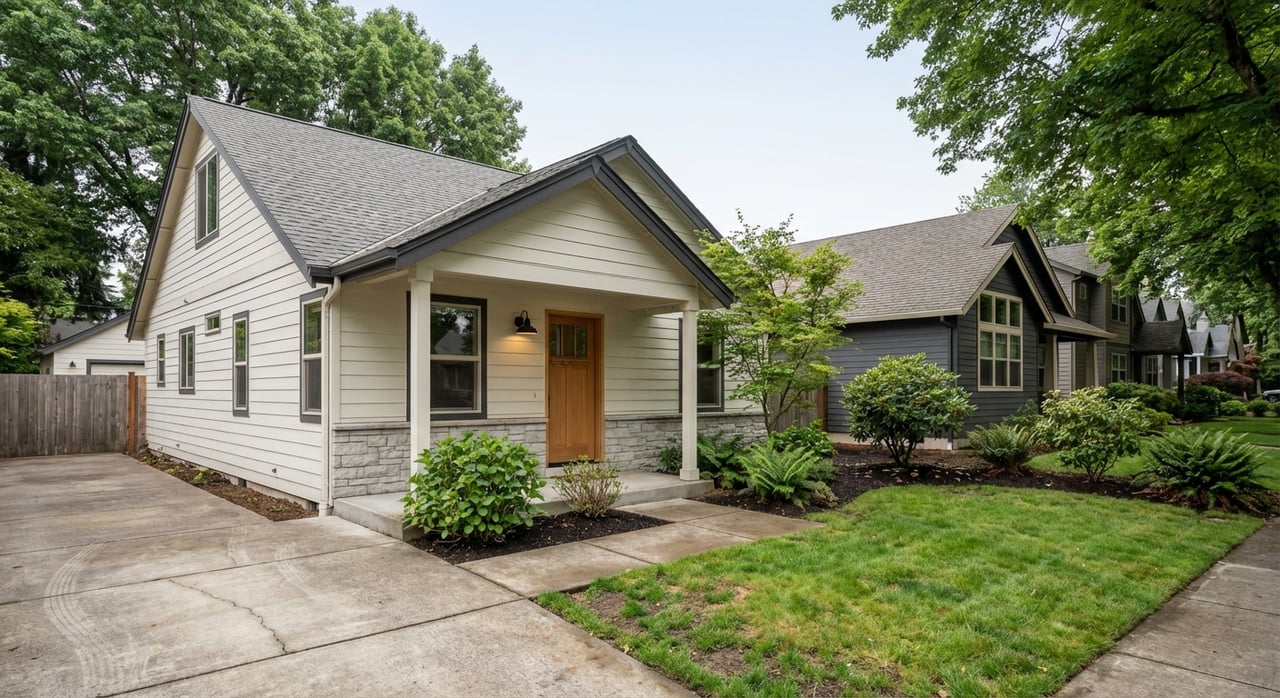
Camas offers a mix of older Craftsman and bungalow homes near downtown, mid‑range subdivisions, and lake‑area homes around Lacamas. Recent market snapshots often place the citywide median sale price in the mid‑$600k to low‑$700k range, with neighborhoods varying widely by setting and amenities. Nearby Oregon suburbs like Lake Oswego and West Linn often report higher medians, while many Portland‑area buyers find Camas a compelling value for the lifestyle it offers.
Note: Market figures shift month to month. When you get serious, pull a current snapshot and compare specific neighborhoods so you can weigh price, commute, and home style together.
Cross‑border tax basics you should know
If you live in Camas and work in Oregon, Oregon taxes wages earned in Oregon even for nonresidents. Employers may withhold Oregon nonresident tax on that income. Washington does not have a state income tax, but Oregon rules still apply to Oregon‑source wages. Read the Oregon Department of Revenue guidance to understand how this affects your paycheck.
- Tax guidance: Oregon Department of Revenue — Personal Income Tax
A simple example to frame your budget: if you earn $100,000 and perform all that work in Oregon, Oregon will tax those Oregon‑source wages as a nonresident. If you work some days in Washington and some in Oregon, your employer’s withholding and your filing may reflect that split. Because details matter, ask your payroll team or a tax professional to model your exact take‑home.
Is Camas a fit for your commute?
If you want a small‑city feel, strong outdoor access, and a practical path into Portland job centers, Camas belongs on your list. You can drive via I‑205 or I‑5, park‑and‑ride to an express bus, and still be home in time for a loop on the Lacamas Heritage Trail. The lifestyle tradeoffs are clear, and with a bit of planning around routes, schedules, and taxes, you can make the numbers and timing work.
Ready to compare neighborhoods, new‑construction options, and real commute times for your workplace? Reach out to Tamiko Warren for a tailored plan, from on‑the‑ground tours to data‑driven pricing and relocation support.
FAQs
How long does it take to drive from Camas to downtown Portland?
- Plan for about 20 to 45 minutes in typical conditions, with longer travel times during the PM peak or when the river crossings are congested.
Can I commute from Camas to Portland daily by bus?
- Yes. Many riders use a local C‑TRAN connector from Camas to a transit center, then transfer to an express route into Portland during rush hours.
Where do Camas commuters park‑and‑ride?
- Common choices include nearby transit centers such as Mill Plain and Fisher’s Landing; check C‑TRAN for current park‑and‑ride details and schedules.
Is there a ferry across the Columbia for commuters?
- No. There is no regular passenger ferry between Vancouver/Camas and Portland; drivers and buses use the motor‑vehicle bridges.
If I live in Camas but work in Oregon, will I owe Oregon income tax?
- Yes, Oregon taxes nonresidents on wages earned in Oregon, and employers may withhold; see the Oregon Department of Revenue for guidance on your situation.
What kinds of homes are common in Camas?
- You’ll find older homes near downtown, mid‑range subdivisions, and lake‑area properties; prices vary by neighborhood, setting, and home size.