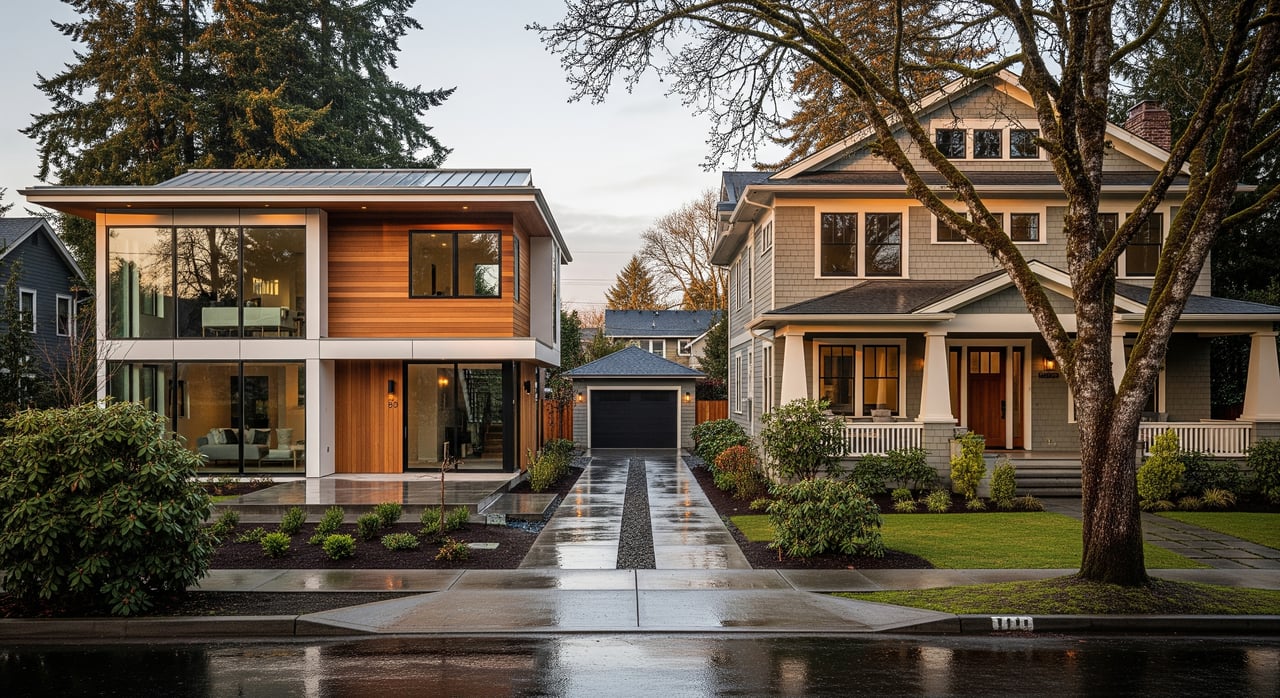
Torn between a brand‑new home and a charming resale in Sherwood? You’re not alone. Families and commuters here often weigh warranty coverage and energy savings against bigger yards and closer-in locations. This guide walks you through the key tradeoffs in Sherwood so you can choose with confidence, then gives you a simple decision framework and a practical checklist to use on your tours. Let’s dive in.
New build vs resale: key differences
Warranty and near‑term maintenance
New construction typically comes with a written warranty structure that can include a one-year workmanship warranty, a two-year systems warranty, and a longer structural warranty. Exact coverage and claim processes vary by builder, so ask for documentation and timelines. With a new build, your roof, HVAC, and appliances are usually under warranty, which reduces near‑term repair risk.
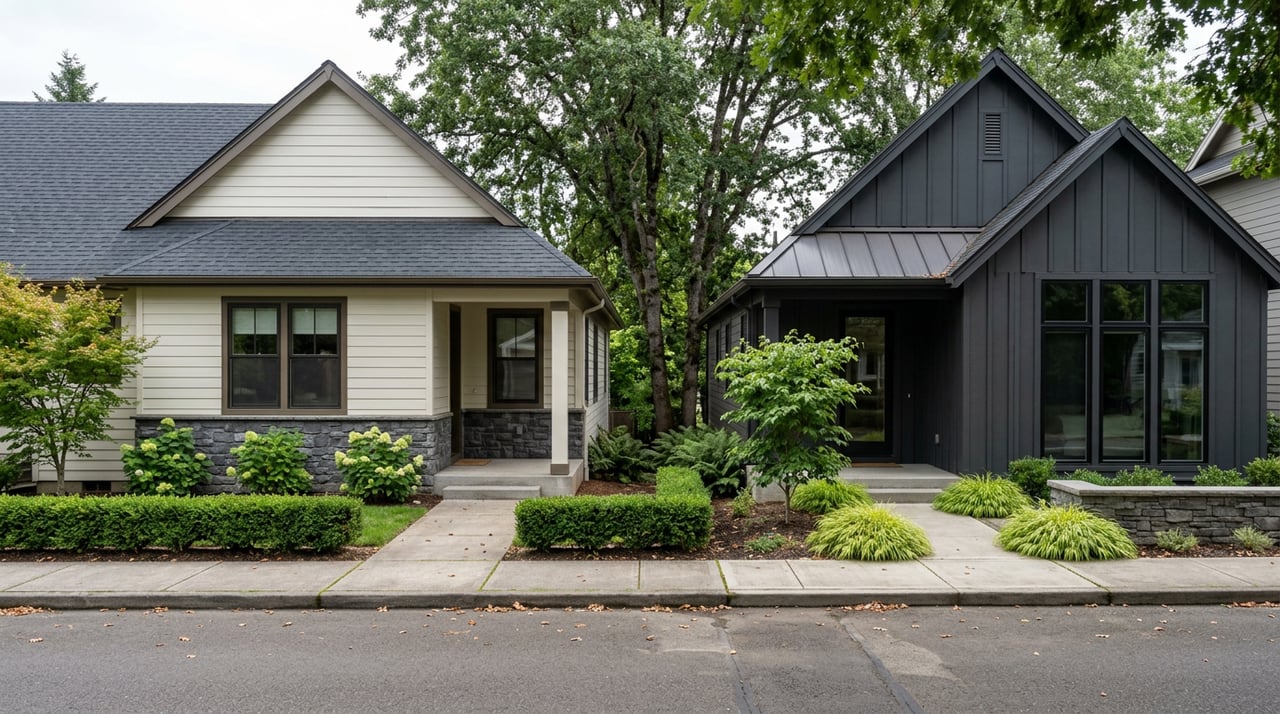
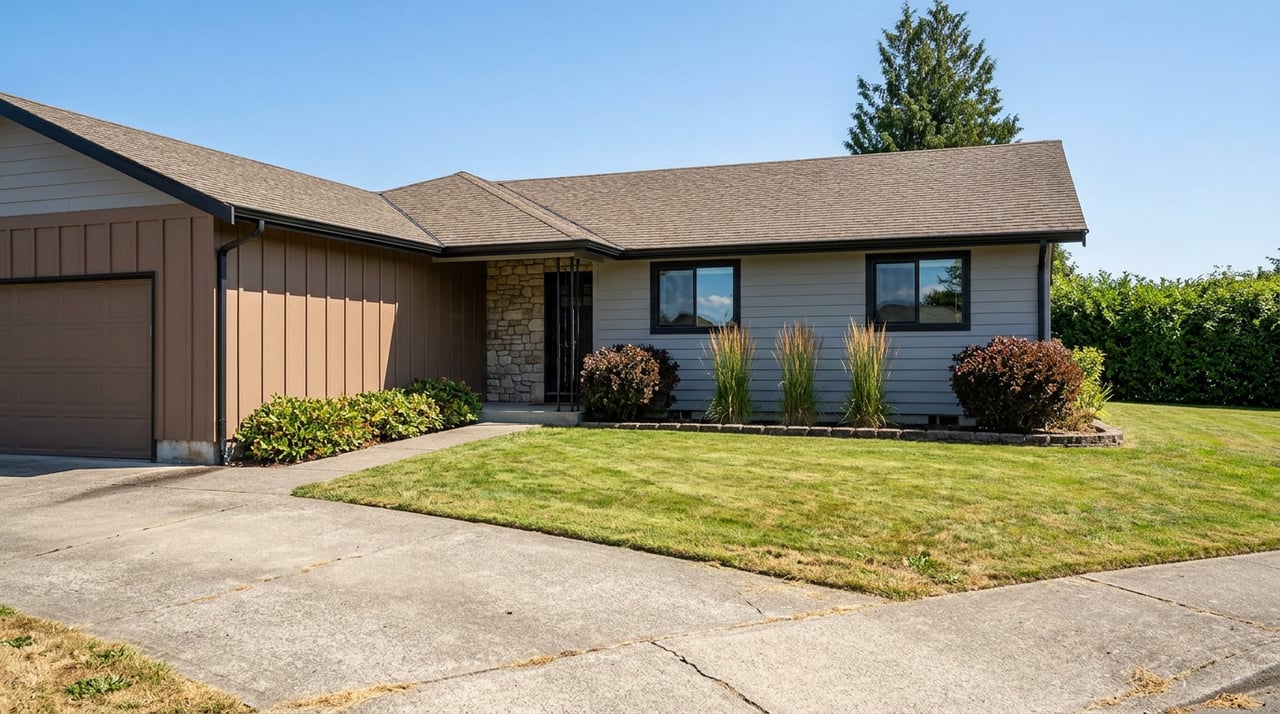
Resale homes usually do not include a builder warranty. You may see a seller-provided home warranty or remaining manufacturer coverage on components, but you should budget for inspection findings and possible replacements. In Sherwood, where you’ll see both recently finished spec homes and older resales, the remaining warranty window can be a deciding factor.
Energy efficiency and systems
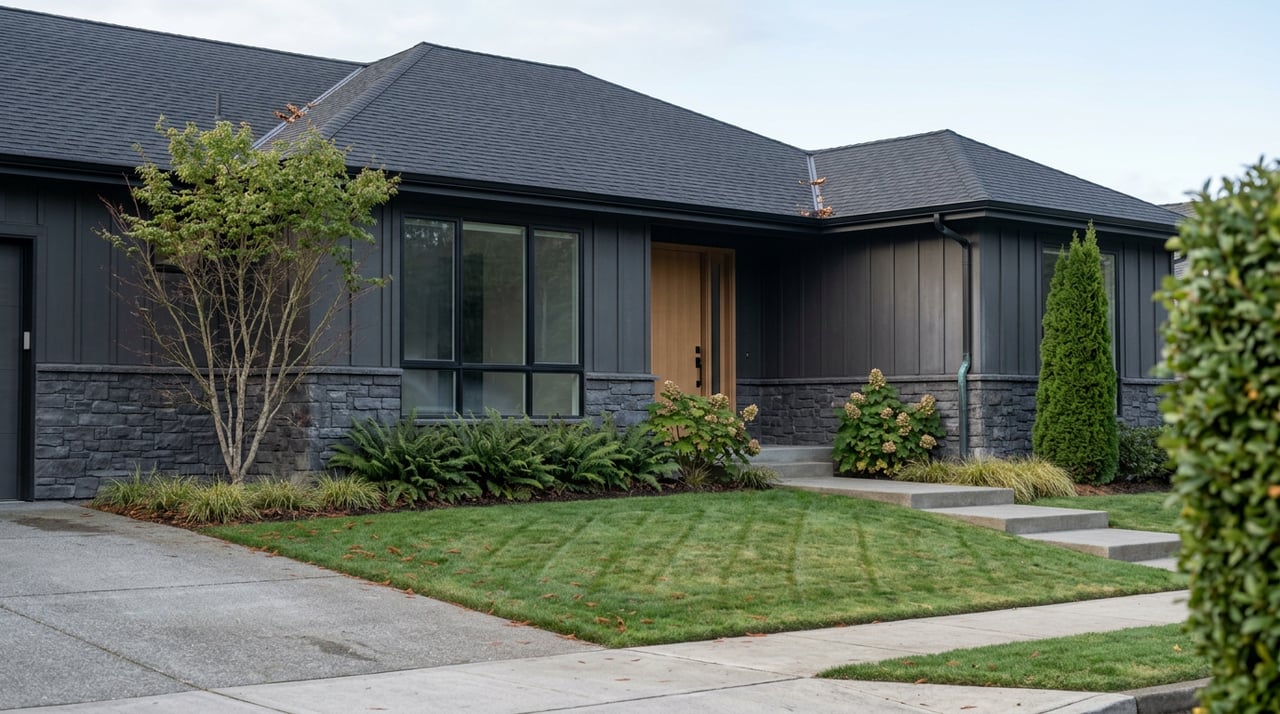
New homes in Oregon are built to current residential codes, which typically means better insulation, tighter building envelopes, modern windows, and efficient heating and cooling. Some builders offer heat-pump systems, LED lighting throughout, water-saving fixtures, and solar-ready options. These features can help lower monthly utility costs, but ask for documentation and any third-party testing results.
Resale homes vary widely. Some have been upgraded with insulation, windows, and heat pumps. Others may need updates to reach similar performance. If you commute less often or value predictable operating costs, new construction’s modern systems can be appealing.
Lot size, yard, and neighborhood maturity
New subdivisions often have smaller lots and younger landscaping, along with amenities like sidewalks and modern stormwater features. Homeowner association rules may apply. If yard space is a must-have, check the lot orientation and dimensions carefully.
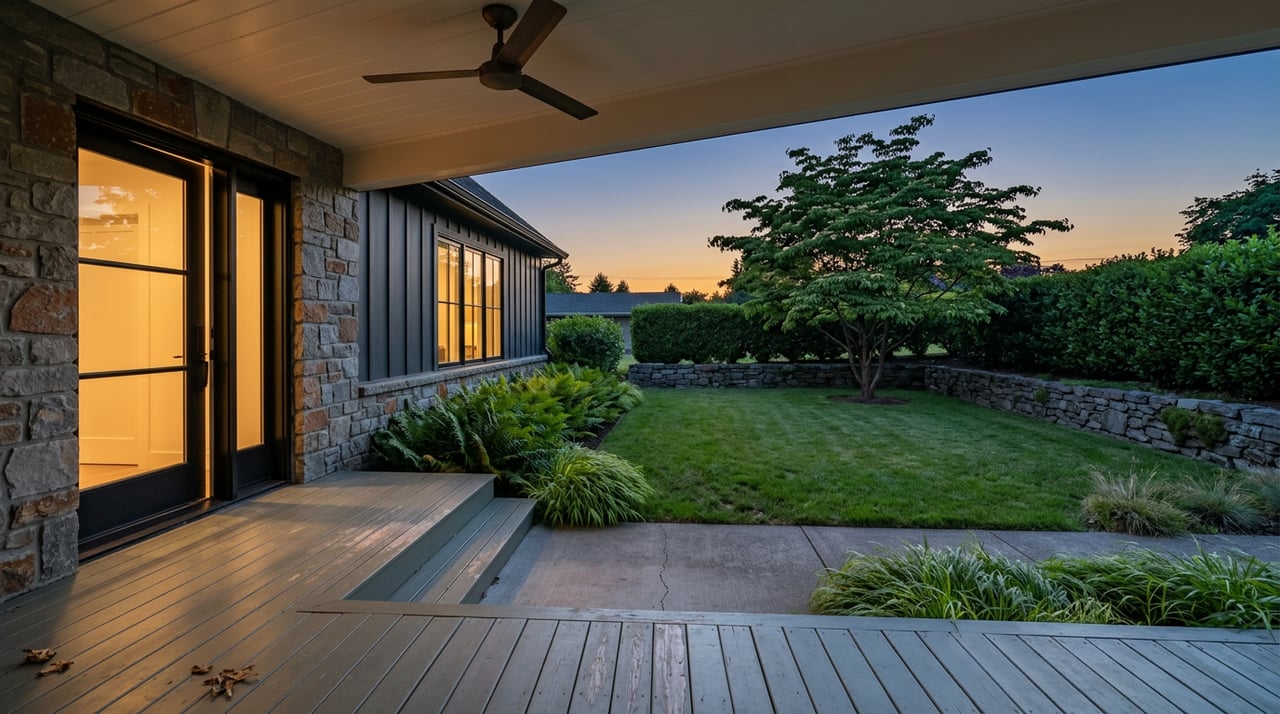
Established Sherwood neighborhoods tend to offer larger lots, mature trees, and more privacy between homes. Many buyers value the character and shade from mature street trees and the flexibility to add outdoor features. For play structures, gardening, or future projects, a resale on a larger lot can be a strong fit.
Pricing, incentives, and negotiation
New construction is usually priced by the builder. In some market cycles, you may see incentives such as closing-cost help, interest-rate buydowns, or price reductions on options. New homes often command a premium per square foot for the latest designs and finishes.
Resales can offer more room for negotiation, depending on the seller’s goals, property condition, and local supply. Neighborhood-specific comps often help anchor value. In tighter markets, both new and resale can appreciate, but resales sometimes capture premiums tied to location within town or lot size.
Customization and timing
If you buy early in a new-home build cycle, you may select finishes, layouts, and options. Turnkey spec homes reduce your wait compared to building from scratch, but delivery dates can still shift based on permitting, materials, or labor. Confirm timelines and contingency plans.
Resales offer faster occupancy once you close. Customization typically means post-closing renovations. If you have a firm move-in deadline, such as the start of a school year or a job start, timelines matter. Consider how much flexibility you can allow.
Schools, parks, and daily convenience
New subdivisions may be on the edges of town. Some include planned parks, though those can take time to mature. Check proximity to schools, parks, dining, and services you’ll use weekly.
Resale neighborhoods in central Sherwood may offer shorter errands and established park access. Because school assignment maps can change as communities grow, verify current boundaries for any address you consider.
Commute and transportation
Location relative to OR‑99W and major connectors affects commute time to Tigard, Beaverton, and Portland. Some newer communities position you well for arterials, while others may add minutes at peak times.
Resales closer to main routes can shorten drive times but may experience congestion near peak hours. Always test the drive at your actual commute time to confirm real-world conditions and note any planned road projects that could change traffic flow.
Which is right for you? A simple framework
Choose new construction if you want
- Lower near‑term maintenance and move‑in readiness.
- Modern systems and predictable energy performance.
- Design choices and documented warranties.
- You’re comfortable with potentially smaller lots and younger landscaping.
Choose resale if you want
- Larger yards, mature trees, and privacy.
- Proximity to downtown Sherwood, established parks, or long-standing streets.
- More room for price negotiation and immediate occupancy.
- Flexibility for future additions or outdoor projects, subject to zoning.
Real‑world scenarios
Young family seeking low upkeep
You want a modern layout, energy-efficient systems, and minimal projects in year one. A new build in a Sherwood subdivision near your routines can work well. Verify warranty terms, builder track record, and the delivery date for your move-in window.
Need a big backyard and central location
You plan to add a play structure and garden and prefer established streets near downtown. A resale on a larger lot in an older neighborhood may be ideal. Budget for updates after inspections and prioritize homes with documented maintenance.
Commuter with a strict time cap
You have a maximum drive time to Portland or the westside tech corridor. Favor homes near arterials and test the commute at rush hour from the exact address. Resales closer in may save minutes, while some new subdivisions can still work if the route is efficient.
Your Sherwood comparison checklist
For all properties
- Confirm school boundaries for the specific address.
- Review property taxes and any special assessments.
- Test the commute at peak times using your exact route.
- Order a professional home inspection.
- Review HOA rules, fees, and covenants if applicable.
New‑build specifics
- Get all warranty documents in writing, including coverage, claim process, and transferability.
- Ask for energy feature details: insulation R‑values, HVAC type, water heater, efficiency ratings, and any third‑party test results.
- Clarify who handles punch‑list items and typical completion timeframes.
- Confirm landscaping plans, including yard seeding or sod and street tree timelines.
- Check builder reputation and permit history and ask about past warranty resolution practices.
- Understand whether the home is pad‑ready, a spec nearing completion, or a start‑from‑scratch build, and what that means for timing.
Resale specifics
- Request seller disclosures and maintenance records.
- Assess the age and remaining life of roof, HVAC, water heater, and electrical panel.
- Budget for likely near‑term replacements and get contractor estimates where needed.
- For larger lots, check easements, drainage, and any deed restrictions that could affect expansions or accessory structures.
- Consider specialized inspections for moisture or pests if warranted by condition.
Financial and negotiation items
- For new builds, ask about incentives such as closing‑cost help, rate buydowns, or upgrade credits and any preferred‑lender tradeoffs.
- For resales, explore seller concessions, timing flexibility, and use neighborhood comps to support your offer.
- Compare total monthly costs: mortgage, HOA, estimated utilities, insurance, and a maintenance reserve.
Local factors to watch in Sherwood
- Growth and planned developments. New subdivisions and future school sites can influence traffic patterns and capacity. Review planning maps to see what’s coming.
- Infrastructure projects. Road improvements, signals, and connector roads can shorten or lengthen commutes. Track upcoming changes that affect your route.
- School capacity and boundaries. Enrollment shifts can lead to boundary updates. Confirm the current assignment for any address before you write an offer.
- Stormwater and drainage. Newer areas often include engineered systems. In older neighborhoods, evaluate grading and runoff and review any floodplain data.
- Builder reputation. Identify builders active in Sherwood and ask for local references. Strong local warranty practices can add peace of mind.
Next steps
Your best choice comes down to how you balance yard space, location, timelines, and maintenance risk. If you want low upkeep, documented energy performance, and design choices, a new build may be right. If you value mature trees, privacy, and closer‑in convenience, a resale might fit better. The details are property specific, which is where an experienced, local advocate can save you time and stress.
If you’d like a side‑by‑side comparison of active Sherwood new builds and resales that match your goals, along with commute tests and warranty or inspection strategies, connect with Tamiko Warren. Schedule a Free Consultation and move forward with clarity.
FAQs
What are the biggest advantages of new construction in Sherwood?
- Lower near‑term maintenance, documented warranties, and modern energy‑efficient systems that can reduce operational costs.
How do warranties on new Sherwood homes typically work?
- Many builders offer a one‑year workmanship warranty, a two‑year systems warranty, and longer structural coverage; always confirm the specifics in writing.
Will a resale in Sherwood usually have a bigger yard?
- Often yes; established neighborhoods tend to have larger lots and mature trees, though you should verify lot size and orientation for each property.
How should Sherwood commuters test real travel times?
- Drive the exact route at your normal peak hours from the property address and note any construction or planned road changes.
Can I negotiate on a new construction home in Sherwood?
- It depends on market conditions; builders may offer incentives like closing‑cost help or rate buydowns, but pricing flexibility varies.
What should I check first on a Sherwood resale?
- Review seller disclosures and system ages, order a professional inspection, and budget for likely near‑term updates like roof or HVAC.